zondag 26 november 2017

Israel’s Ploy Selling a Syrian Nuke Strike (part one)


Consortiumnews

Israel’s Ploy Selling a Syrian Nuke Strike

Exclusive: The Iraq WMD fiasco wasn’t the only time political pressure twisted U.S. intelligence judgments. In 2007, Israel sold the CIA on a dubious claim about a North Korean nuclear reactor in the Syrian desert, reports Gareth Porter.

By Gareth Porter

In September 2007, Israeli warplanes bombed a building in eastern Syria that the Israelis claimed held a covert nuclear reactor that had been built with North Korean assistance. Seven months later, the CIA released an extraordinary 11-minute video and mounted press and Congressional briefings that supported that claim.
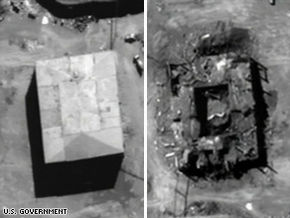

Satellite photos of the supposed Syrian nuclear site before and after the Israeli airstrike.

But nothing about that alleged reactor in the Syrian desert turns out to be what it appeared at the time. The evidence now available shows that there was no such nuclear reactor, and that the Israelis had misled George W. Bush’s administration into believing that it was in order to draw the United States into bombing missile storage sites in Syria. Other evidence now suggests, moreover, that the Syrian government had led the Israelis to believe wrongly that it was a key storage site for Hezbollah missiles and rockets.

The International Atomic Agency’s top specialist on North Korean reactors, Egyptian national Yousry Abushady, warned top IAEA officials in 2008 that the published CIA claims about the alleged reactor in the Syrian desert could not possibly have been true. In a series of interviews in Vienna and by phone and e-mail exchanges over several months Abushady detailed the technical evidence that led him to issue that warning and to be even more confident about that judgment later on. And a retired nuclear engineer and research scientist with many years of experience at Oak Ridge National Laboratory has confirmed a crucial element of that technical evidence.

Published revelations by senior Bush administration officials show, moreover, that principal U.S. figures in the story all had their own political motives for supporting the Israeli claim of a Syrian reactor being built with North Korean help.
Vice President Dick Cheney hoped to use the alleged reactor to get President George W. Bush to initiate U.S. airstrikes in Syria in the hope of shaking the Syrian-Iranian alliance. And both Cheney and then CIA Director Michael Hayden also hoped to use the story of a North Korean-built nuclear reactor in Syria to kill a deal that Secretary of State Condoleezza Rice was negotiating with North Korea on its nuclear weapons program in 2007-08.

Mossad Chief’s Dramatic Evidence

In April 2007 the chief of Israel’s Mossad foreign intelligence agency, Meir Dagan, presented Cheney, Hayden and National Security Adviser Steven Hadley with evidence of what he said was a nuclear reactor being constructed in eastern Syria with the help of the North Koreans. Dagan showed them nearly a hundred hand-held photographs of the site revealing what he described as the preparation for the installation of a North Korean reactor and claimed that it was only a few months from being operational.
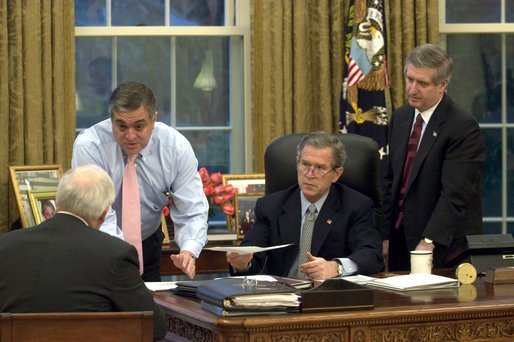


President George W. Bush and Vice President Dick Cheney receive an Oval Office briefing from CIA Director George Tenet. Also present is Chief of Staff Andy Card (on right). (White House photo)

The Israelis made no secret of their desire to have a U.S. airstrike destroy the alleged nuclear facility. Prime Minister Ehud Olmert called President Bush immediately after that briefing and said, “George, I’m asking you to bomb the compound,” according to the account in Bush’s memoirs.

Cheney, who was known to be a personal friend of Olmert, wanted to go further. At White House meetings in subsequent weeks, Cheney argued forcefully for a U.S. attack not only on the purported reactor building but on Hezbollah weapons storage depots in Syria. Then-Secretary of Defense Robert Gates, who participated in those meetings, recalled in his own memoirs that Cheney, who was also looking for an opportunity to provoke a war with Iran, hoped to “rattle Assad sufficiently so as to end his close relationship with Iran” and “send a powerful warning to the Iranians to abandon their nuclear ambitions.”

CIA Director Hayden aligned the agency clearly with Cheney on the issue, not because of Syria or Iran but because of North Korea. In his book, Playing to the Edge, published last year, Hayden recalls that, at a White House meeting to brief President Bush the day after Dagan’s visit, he whispered in Cheney’s ear, “You were right, Mr. Vice-President.”

Hayden was referring to the fierce political struggle within the Bush administration over North Korea policy that had been underway ever since Condoleezza Rice had become Secretary of State in early 2005. Rice had argued that diplomacy was the only realistic way to get Pyongyang to retreat from its nuclear weapons program. But Cheney and his administration allies John Bolton and Robert Joseph (who succeeded Bolton as the key State Department policymaker on North Korea after Bolton become U.N. Ambassador in 2005) were determined to end the diplomatic engagement with Pyongyang.

Cheney was still maneuvering to find a way to prevent the successful completion of the negotiations, and he saw the story of a Syrian nuclear reactor built secretly in the desert with help from the North Koreans as bolstering his case. Cheney reveals in his own memoirs that in January 2008, he sought to sandbag Rice’s North Korea nuclear deal by getting her to agree that a failure by North Korea to “admit they’ve proliferating to the Syrians would be a deal killer.”

Three months later, the CIA released its unprecedented 11-minute video supporting the entire Israeli case for a North-Korean-style nuclear reactor that was nearly completed. Hayden recalls that his decision to release the video on the alleged Syrian nuclear reactor in April 2008 was “to avoid a North Korean nuclear deal being sold to a Congress and a public ignorant of this very pertinent and very recent episode.”

The video, complete with computer reconstructions of the building and photographs from the Israelis made a big splash in the news media. But one specialist on nuclear reactors who examined the video closely found abundant reason to conclude that the CIA’s case was not based on real evidence.

Technical Evidence against a Reactor

Egyptian national Yousry Abushady was a PhD in nuclear engineering and 23-year veteran of the IAEA who had been promoted to section head for Western Europe in the operations division of agency’s Safeguards Department, meaning that he was in charge of all inspections of nuclear facilities in the region. He had been a trusted adviser to Bruno Pellaud, IAEA Deputy Director General for Safeguards from 1993 to 1999, who told this writer in an interview that he had “relied on Abushady frequently.”
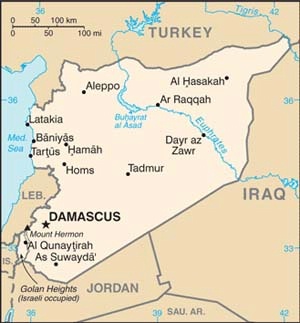

Map of Syria.

Abushady recalled in an interview that, after spending many hours reviewing the video released by the CIA in April 2008 frame by frame, he was certain that the CIA case for a nuclear reactor at al-Kibar in the desert in eastern Syria was not plausible for multiple technical reasons. The Israelis and the CIA had claimed the alleged reactor was modeled on the type of reactor the North Koreans had installed at Yongbyon called a gas-cooled graphite-moderated (GCGM) reactor.

But Abushady knew that kind of reactor better than anyone else at the IAEA. He had designed a GCGM reactor for his doctoral student in nuclear engineering, had begun evaluating the Yongbyon reactor in 1993, and from 1999 to 2003 had headed the Safeguards Department unit responsible for North Korea.

Abushady had traveled to North Korea 15 times and conducted extensive technical discussions with the North Korean nuclear engineers who had designed and operated the Yongbyon reactor. And the evidence he saw in the video convinced him that no such reactor could have been under construction at al-Kibar.

On April 26, 2008, Abushady sent a “preliminary technical assessment” of the video to IAEA Deputy Director General for Safeguards Olli Heinonen, with a copy to Director General Mohamed ElBaradei. Abushady observed in his memorandum that the person responsible for assembling the CIA video was obviously unfamiliar with either the North Korean reactor or with GCGM reactors in general.

The first thing that struck Abushady about the CIA’s claims was that the building was too short to hold a reactor like the one in Yongbyon, North Korea.

“It is obvious,” he wrote in his “technical assessment” memo to Heinonen, “that the Syrian building with no UG [underground] construction, can not hold a [reactor] similar [to] NK GCR [North Korean gas-cooled reactor].”
Abushady estimated the height of the North Korean reactor building in Yongbyon at a 50 meters (165 feet) and estimated that the building at al-Kibar at a little more than a third as tall.

Abushady also found the observable characteristics of the al-Kibar site inconsistent with the most basic technical requirements for a GCGM reactor. He pointed out that the Yongbyon reactor had no less than 20 supporting buildings on the site, whereas the satellite imagery shows that the Syrian site did not have a single significant supporting structure.

The most telling indication of all for Abushady that the building could not have been a GCGM reactor was the absence of a cooling tower to reduce the temperature of the carbon dioxide gas coolant in such a reactor.
“How can you work a gas-cooled reactor in a desert without a cooling tower?” Abushady asked in an interview.

IAEA Deputy Director Heinonen claimed in an IAEA report that the site had sufficient pumping power to get river water from a pump house on the nearby Euphrates River to the site. But Abushady recalls asking Heinonen, “How could this water be transferred for about 1,000 meters and continue to the heat exchangers for cooling with the same power?”

Robert Kelley, a former head of the U.S. Department of Energy’s Remote Sensing Laboratory and former senior IAEA inspector in Iraq, noticed another fundamental problem with Heinonen’s claim: the site had no facility for treating the river water before it reached the alleged reactor building.

“That river water would have been carrying debris and silt into the reactor heat exchangers,” Kelley said in an interview, making it highly questionable that a reactor could have operated there.

Yet another critical piece that Abushady found missing from the site was a cooling pond facility for spent fuel. The CIA had theorized that the reactor building itself contained a “spent fuel pond,” based on nothing more than an ambiguous shape in an aerial photograph of the bombed building.

But the North Korean reactor at Yongbyon and all 28 other GCGM reactors that had been built in the world all have the spent fuel pond in a separate building, Abushady said. The reason, he explained, was that the magnox cladding surrounding the fuel rods would react to any contact with moisture to produce hydrogen that could explode.

But the definitive and irrefutable proof that no GCGM reactor had been present at al-Kibar came from the environmental samples taken by the IAEA at the site in June 2008. Such a reactor would have contained nuclear-grade graphite, Abushady explained, and if the Israelis had actually bombed a GCGM reactor, it would have spread particles of nuclear-grade graphite all over the site.

Behrad Nakhai, a nuclear engineer at Oak Ridge National Laboratory for many years, confirmed Abshuady’s observation in an interview. “You would have had hundreds of tons of nuclear-grade graphite scattered around the site,” he said, “and it would have been impossible to clean it up.”

IAEA reports remained silent for more than two years about what the samples showed about nuclear-grade graphite, then claimed in a May 2011 report that the graphite particles were “too small to permit an analysis of the purity compared to that normally required for use in a reactor.” But given the tools available to laboratories, the IAEA claim that they couldn’t determine whether the particles were nuclear grade or not “doesn’t make sense,” Nakhai said.

Hayden acknowledged in his 2016 account that “key components” of a nuclear reactor site for nuclear weapons were “still missing.” The CIA had tried to find evidence of a reprocessing facility in Syria that could be used to obtain the plutonium for a nuclear bomb but had been unable to find any trace of one.

The CIA also had found no evidence of a fuel fabrication facility, without which a reactor could not have gotten the fuel rods to be reprocessed. Syria could not have gotten them from North Korea, because the fuel fabrication plant at Yongbyon had produced no fuel rods since 1994 and was known to have fallen into serious disrepair after the regime had agreed to scrap its own plutonium reactor program.

Manipulated and Misleading Photographs

Hayden’s account shows that he was ready to give the CIA’s stamp of approval to the Israeli photographs even before the agency’s analysts had even begun analyzing them. He admits that when he met Dagan face-to-face he didn’t ask how and when Mossad had obtained the photographs, citing “espionage protocol” among cooperating intelligence partners. Such a protocol would hardly apply, however, to a government sharing intelligence in order to get the United States to carry out an act of war on its behalf.

CIA seal in lobby of the spy agency’s headquarters. (U.S. government photo)

The CIA video relied heavily on the photographs that Mossad had given to Bush administration in making its case. Hayden writes that it was “pretty convincing stuff, if we could be confident that the pictures hadn’t been altered.”
But by his own account Hayden knew Mossad had engaged in at least one deception. He writes that when CIA experts reviewed the photographs from Mossad, they found that one of them had been photo-shopped to remove the writing on the side of a truck.

Hayden professes to have had no concern about that photo-shopped picture. But after this writer asked how CIA analysts interpreted Mossad’s photo shopping of the picture as one of the questions his staff requested in advance of a possible interview with Hayden, he declined the interview.

Abushady points out that the main issues with the photographs the CIA released publicly are whether they were actually taken at the al-Kibar site and whether they were consistent with a GCGM reactor. One of the photographs showed what the CIA video called “the steel liner for the reinforced-concrete reactor vessel before it was installed.” Abushady noticed immediately, however, that nothing in the picture links the steel liner to the al-Kibar site.

Both the video and CIA’s press briefing explained that the network of small pipes on the outside of the structure was for “cooling water to protect the concrete against the reactor’s intense heat and radiation.”
But Abushady, who specializes in such technology, pointed out that the structure in the picture bore no resemblance to a Gas-Cooled Reactor vessel. “This vessel cannot be for a Gas-Cooled Reactor,” Abushady explained, “based on its dimensions, it thickness and the pipes shown on the side of the vessel.”

The CIA video’s explanation that the network of pipes was necessary for “cooling water” made no sense, Abushady said, because gas-cooled reactors use only carbon dioxide gas — not water — as a coolant. Any contact between water and the Magnox-cladding used in that type of reactor, Abushady explained, could cause an explosion.

A second Mossad photograph showed what the CIA said were the “exit points” for the reactor’s control rods and fuel rods. The CIA juxtaposed that photograph with a photograph of the tops of the control rods and fuel rods of the North Korean reactor at Yongbyon and claimed a “very close resemblance” between the two.

Abushady found major differences between the two pictures, however. The North Korean reactor had a total of 97 ports, but the picture allegedly taken at al-Kibar shows only 52 ports. Abushady was certain that the reactor shown in the photograph could not have been based on the Yongbyon reactor. He also noted that the picture had a pronounced sepia tone, suggesting that it was taken quite a few years earlier.
Abushady warned Heinonen and ElBaradei in his initial assessment that the photo presented as taken from inside the reactor building appeared to an old photo of a small gas-cooled reactor, most likely an early such reactor built in the U.K.

A Double Deception

Many observers have suggested that Syria’s failure to protest the strike in the desert loudly suggests that it was indeed a reactor. Information provided by a former Syrian air force major who defected to an anti-Assad military command in Aleppo and by the head of Syria’s atomic energy program helps unlock the mystery of what was really in the building at al-Kibar.
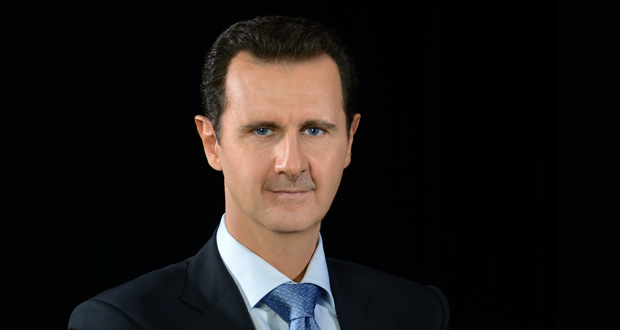

Syrian President Bashar al-Assad.

The Syrian major, “Abu Mohammed,” told The Guardian in February 2013 that he was serving in the air defense station at Deir Azzor, the city nearest to al-Kibar, when he got a phone call from a Brigadier General at the Strategic Air Command in Damascus just after midnight on Sept. 6, 2007. Enemy planes were approaching his area, the general said, but “you are to do nothing.”

The major was confused. He wondered why the Syrian command would want to let Israeli fighter planes approach Deir Azzor unhindered. The only logical reason for such an otherwise inexplicable order would be that, instead of wanting to keep the Israelis away from the building at al-Kibar, the Syrian government actually wanted the Israelis to attack it. In the aftermath of the strike, the Damascus issued only an opaque statement claiming that the Israeli jets had been driven away and remaining silent on the airstrike at al-Kibar.

Abushady told this writer he learned from meetings with Syrian officials during his final year at the IAEA that the Syrian government had indeed originally built the structure at al-Kibar for the storage of missiles as well as for a fixed firing position for them. And he said Ibrahim Othman, the head of Syria’s Atomic Energy Commission, had confirmed that point in a private meeting with him in Vienna in September 2015.

Othman also confirmed Abushady’s suspicion from viewing satellite photographs that the roof over the central room in the building had been made with two movable light plates that could be opened to allow the firing of a missile. And he told Abushady that he had been correct in believing that what had appeared in a satellite image immediately after the bombing to be two semi-circular shapes was what had remained of the original concrete launching silo for missiles.

In the wake of the Israel’s 2006 invasion of Southern Lebanon, the Israelis were searching intensively for Hezbollah missiles and rockets that could reach Israel and they believed many of those Hezbollah weapons were being stored in Syria. If they wished to draw the attention of the Israelis away from actual missile storage sites, the Syrians would have had good reason to want to convince the Israelis that this was one of their major storage sites.

Othman told Abushady that the building had been abandoned in 2002, after the construction had been completed. The Israelis had acquired ground-level pictures from 2001-02 showing the construction of outer walls that would hide the central hall of the building. The Israelis and the CIA both insisted in 2007-08 that this new construction indicated that it had to be a reactor building, but it is equally consistent with a building designed to hide missile storage and a missile-firing position.

Although Mossad went to great lengths to convince the Bush administration that the site was a nuclear reactor, what the Israelis really wanted was for the Bush administration to launch U.S. airstrikes against Hezbollah and Syrian missile storage sites. Senior officials of the Bush administration didn’t buy the Israeli bid to get the United States do the bombing, but none of them ever raised questions about the Israeli ruse.

So both the Assad regime and the Israeli government appear to have succeeded in carrying out their own parts in a double deception in the Syrian desert.

[A second part of this two part-series can be read here.]

Gareth Porter is an independent investigative journalist and historian on U.S. national security policy and the recipient of the 2012 Gellhorn Prize for journalism. His most recent book is Manufactured Crisis: the Untold Story of the Iran Nuclear Scare, published in 2014.

How Syrian-Nuke Evidence Was Faked (part two)


Consortiumnews


How Syrian-Nuke Evidence Was Faked


Exclusive: In joining Israel and the White House selling military intervention in Syria, the CIA and international inspectors hid key evidence that would undermine the case, says Gareth Porter in a second part of a two-part series.

By Gareth Porter

When Yousry Abushady studied the highly unusual May 2008 CIA video on a Syrian nuclear reactor that was allegedly under construction when Israeli jet destroyed it seven months earlier, the senior specialist on North Korean nuclear reactors on the International Atomic Energy Agency’s staff knew that something was very wrong.

Abushady quickly determined that the CIA had been seriously misled by Israeli intelligence and immediately informed the two highest officials of the Vienna-based IAEA, Director General Mohamed ElBaradei and Deputy Director for Safeguards, Olli Heinonen, that the CIA’s conclusions were not consistent with the most basic technical requirements for such a reactor.

But it did not take long for Abushady to realize that the top IAEA officials were not interested in drawing on his expertise in regard to the alleged Syrian reactor. In fact, the IAEA cited nonexistent evidence linking the site to a Syrian nuclear program while covering up real evidence that would have clearly refuted such a claim, according to Abushady and other former senior IAEA officials.

When Abudhsady met with Heinonen to discuss his analysis of the CIA’s case in May 2008, Abushady asked to be included on the team for the anticipated inspection of the al-Kibar site because of his unique knowledge of that type reactor.

But Heinonen refused his request, citing an unwritten IAEA rule that inspectors are not allowed to carry out inspections in their countries of origin. Abushady objected, pointing out that he is Egyptian, not Syrian, to which Heinonen responded, “But you are an Arab and a Muslim!” according to Abushady. Heinonen declined a request for his comment on Abushady’s account of the conversation.

A Curious Inspection

In June 2008, an IAEA team consisting of Heinonen and two other inspectors took environmental samples at the al-Kibar site. In November 2008, the IAEA issued a report saying that laboratory analysis of a number of natural uranium particles collected at the site “indicates that the uranium is anthropogenic,” meaning that it had been processed by humans.

The implication was clearly that this was a reason to believe that the site had been connected with a nuclear program. But former IAEA officials have raised serious questions about Heinonen’s handling of the physical evidence gathered from the Syrian site as well as his characterization of the evidence in that and other IAEA reports.


Olli Heinonen, former IAEA inspector

Tariq Rauf who headed the IAEA’s Verification and Security Policy Coordination Office until 2011, has pointed out that one of the IAEA protocols applicable to these environmental samples is that “the results from all three or four labs to have analyzed the sample must match to give a positive or negative finding on the presence and isotopics or uranium and/or plutonium.”

However, in the Syrian case the laboratories to which the samples had been sent had found no evidence of such man-made uranium in the samples they had tested. ElBaradei himself had announced in late September, three months after the samples had originally been taken but weeks before the report was issued, “So far, we have found no indication of any nuclear material.” So the November 2008 IAEA report claiming a positive finding was not consistent with its protocols.

But the samples had been sent to yet another laboratory, which had come up with a positive test result for a sample, which had then touted as evidence that the site had held a nuclear reactor. That in itself is an indication that a fundamental IAEA protocol had been violated in the handling of the samples from Syria.

One of the inspectors involved in the IAEA inspection at al-Kibar later revealed to a fellow IAEA inspector what actually happened in the sample collection there. Former senior IAEA inspector Robert Kelley recalled in an interview that, after the last results of the samples from the al-Kibar inspection had come back from all the laboratories, the inspector, Mongolian national Orlokh Dorjkhaidav, came to see him because he was troubled by the results and wanted to tell someone he trusted.

Negative Results

Dorjkhaidav told Kelley that all the samples taken from the ground in the vicinity of the bombed building had tested negative for man-made uranium and that the only sample that had tested positive had been taken in the toilet of the support building.

Dorjkhaidav later left the IAEA and returned to Mongolia, where he died in December 2015. A video obituary for Dorjkhaidav confirmed his participation in the inspection in Syria. Kelley revealed the former inspector’s account to this writer only after Dorjkhaidav’s death.


David Albright, former weapons inspector and founder of the Institute for Science and International Security.

In an e-mail response to a request for his comment on Kelley’s account of the Syrian environmental samples, Heinonen would neither confirm nor deny that the swipe sample described by Dorjkhaidav had been taken inside the support building. But in January 2013, David Albright, Director of the Institute for Science and International Security in Washington, D.C., who has co-authored several articles with Heinonen, acknowledged in a commentary on his think tank’s website that the al-Kibar uranium particles had been “found in a changing room in a building associated with the reactor.”

Given the dispersal of any nuclear material around the site by the Israeli bombing, if man-made uranium was present at the site, it should not have shown up only inside the support facility but should have been present in the samples taken from the ground outside.

Former IAEA senior inspector Kelley said in an e-mail that a “very likely explanation” for this anomaly is that it was a case of “cross contamination’ from the inspector’s own clothing. Such cross contamination had occurred in IAEA inspections on a number of occasions, according to both Kelley and Rauf.

Kelley, who had been in charge of inspections in Iraq in the early 1990s, recalled that a set of environmental swipes taken from nuclear facilities that the United States had bombed in Iraq had appeared to show that that Iraq had enriched uranium to 90 percent. But it turned out that they had been taken with swipe paper that had been contaminated accidentally by particles from the IAEA laboratory.

But what bothered Abushady the most was that the IAEA report on Syria had remained silent on the crucial fact that none of the sample results had shown any trace of nuclear-grade graphite.

Abushady recalled that when he challenged Heinonen on the absence of any mention of the nuclear graphite issue in the draft report in a Nov. 13, 2008 meeting, Heinonen said the inspectors had found evidence of graphite but added, “We haven’t confirmed that it was nuclear-grade.”

Abushady retorted, “Do you know what nuclear-grade graphite is? If you found it you would know it immediately.”

Heinonen was invited to comment on Abushady’s account of that meeting for this article but declined to do so.

After learning that the report scheduled to be released in November would be silent on the absence of nuclear graphite, Abushady sent a letter to ElBaradei asking him not to release the report on Syria as it was currently written. Abushady protested the report’s presentation of the environmental sampling results, especially in regard to nuclear-grade graphite.

“In my technical view,” Abushady wrote, “these results are the basis to confirm the contrary, that the site cannot [have been] actually a nuclear reactor.”

But the report was published anyway, and a few days later, ElBaradei’s Special Assistant Graham Andrew responded to Abushady’s message by ordering him to “stop sending e-mails on this subject” and to “respect established lines of responsibility, management and communication.”

A Clear Message

The message was clear: the agency was not interested in his information despite the fact that he knew more about the issue than anyone else in the organization.


Satellite photos of the supposed Syrian nuclear site before and after the Israeli airstrike.

At a briefing for Member States on the Syria reactor issue on Feb. 26, 2009, the Egyptian representative to the IAEA confronted Heinonen on the absence of nuclear-grade graphite in the environmental samples. This time, Heinonen had a different explanation for the failure to find any such graphite. He responded that it was “not known whether the graphite was in the building at the time of the destruction,” according to the diplomatic cable reporting on the briefing that was later released by WikiLeaks.

But that response, too, was disingenuous, according to Abushady. “Graphite is a structural part of the reactor core in the gas-cooled reactor,” he explained. “It is not something you add at the end.”

The IAEA remained silent on the question of graphite in nine more reports issued over more than two years. When the IAEA finally mentioned the issue for the first time officially in a May 2011 report, it claimed that the graphite particles were “too small to permit an analysis of the purity compared to that normally required for use in a reactor.”

But American nuclear engineer Behrad Nakhai, who worked at Oak National Laboratories for many years, said an interview that the laboratories definitely have the ability to determine whether the particles were nuclear grade or not, so the claim “doesn’t make sense.”

News outlets have never reported on the IAEA’s role in helping to cover up the false CIA claim of a North-Korean-style nuclear reactor in the desert by a misleading portrayal of the physical evidence collected in Syria and suppressing the evidence that would have made that role clear.

Heinonen, who was directly responsible for the IAEA’s role in the Syria cover-up, left the IAEA in August 2010 and within a month was given a position at Harvard University’s Belfer Center for Science and International Affairs. He has continued to take positions on the Iran nuclear negotiations that were indistinguishable from those of the Netanyahu government. And he is now senior adviser on science and non-proliferation at the Foundation for the Defense of Democracies, a think tank whose positions on the Iran nuclear issues have closely followed those of the Likud governments in Israel.

Gareth Porter is an independent investigative journalist and historian on U.S. national security policy and the recipient of the 2012 Gellhorn Prize for journalism. His most recent book is Manufactured Crisis: the Untold Story of the Iran Nuclear Scare, published in 2014.
The So-Called Syria ‘Experts,’ and George Monbiot


The So-Called Syria ‘Experts,’ and George Monbiot

The claim that Assad’s government used chemical weapons in Khan Sheikhoun, and earlier in Ghouta, was an obvious boon to those who have spent more than a decade trying to achieve regime change in Syria.


Nikki Haley, United States' Ambassador United Nations, shows pictures of Syrian victims of chemical attacks as she addresses a meeting of the Security Council on Syria at U.N. headquarters, April 5, 2017. (AP/Bebeto Matthews)


Investigative journalist Gareth Porter has published two exclusives whose import is far greater than may be immediately apparent. They concern Israel’s bombing in 2007 of a supposed nuclear plant secretly built, according to a self-serving US and Israeli narrative, by Syrian leader Bashar Assad.
Although the attack on the “nuclear reactor” occurred a decade ago, there are pressing lessons to be learned for those analyzing current events in Syria.
Porter’s research indicates very strongly that the building that was bombed could not have been a nuclear reactor – and that was clear to experts at the International Atomic Energy Agency (IAEA) even as the story was being promoted uncritically across the western media.

But – and this is the critical information Porter conveys – the IAEA failed to disclose the fact that it was certain the building was not a nuclear plant, allowing the fabricated narrative to be spread unchallenged. It abandoned science to bow instead to political expediency.
The promotion of the bogus story of a nuclear reactor by Israel and key figures in the Bush administration was designed to provide the pretext for an attack on Assad. That, it was hoped, would bring an end to his presidency and drag into the fray the main target – Iran. The Syrian “nuclear reactor” was supposed to be a rerun of the WMD deception, used in 2003 to oust another enemy of the US and Israel’s – Saddam Hussein of Iraq.
It is noteworthy that the fabricated evidence for a nuclear reactor occurred in 2007, a year after Israel’s failure to defeat Hizbullah in Lebanon. The 2006 Lebanon war was itself intended to spread to Syria and lead to Assad’s overthrow, as I explained in my book Israel and the Clash of Civilisations.

It is important to remember that this Israeli-neocon plot against Syria long predated – in fact, in many ways prefigured – the civil war in 2011 that quickly morphed into a proxy war in which the US became a key, if mostly covert, actor.

The left’s Witchfinder General


George MonbiotGeorge Monbiot speaks at TEDGlobal 2013. (TED)

The relevance of the nuclear reactor deception can be understood in relation to the latest efforts by Guardian columnist George Monbiot (and many others) to discredit prominent figures on the left, including Noam Chomsky and John Pilger, for their caution in making assessments of much more recent events in Syria. Monbiot has attacked them for not joining him in simply assuming that Assad was responsible for a sarin gas attack last April on Khan Sheikhoun, an al-Qaeda stronghold in Idlib province.
Understandably, many on the left have been instinctively wary of rushing to judgment about individual incidents in the Syrian war, and the narratives presented in the western media. The claim that Assad’s government used chemical weapons in Khan Sheikhoun, and earlier in Ghouta, was an obvious boon to those who have spent more than a decade trying to achieve regime change in Syria.
In what has become an ugly habit with Monbiot, and one I have noted before, he has enthusiastically adopted the role of Witchfinder General. Any questioning of evidence, skepticism or simply signs of open-mindedness are enough apparently to justify accusations that one is an Assadist or conspiracy theorist. Giving house room to the doubts of a ballistics expert like Ted Postol of MIT, or an experienced international arms expert like Scott Ritter, or a famous investigative journalist like Seymour Hersh, or a former CIA analyst like Ray McGovern, is apparently proof that one is an atrocity denier or worse.

Inconvenient facts buried


Photograph of men in Khan Sheikdoun, Syria, allegedly inside a crater where a sarin-gas bomb landed on April 4, 2017.Photograph of men in Khan Sheikdoun, Syria, allegedly inside a crater where a sarin-gas bomb landed on April 4, 2017.

Monbiot’s latest attack was launched at a moment when he obviously felt he was on solid ground. A UN agency, the Organization for the Prohibition of Chemical Weapons (OPCW), issued a report last month concluding that the 100 people killed and 200 injured in Khan Sheikhoun last April were exposed to sarin. Monbiot argues that the proof is now incontrovertible that Assad was responsible – a position that he, of course, adopted at the outset – and that all other theories have now been decisively discounted by the OPCW.
There are reasons to think that Monbiot is seriously misrepresenting the strength of the OPCW’s findings, as several commentators have observed. Most notably, Robert Parry, another leading investigative journalist, points out that evidence in the report’s annex – the place where inconvenient facts are often buried – appears to blow a large hole in the official story.
Parry notes that the time recorded by the UN of the photo of the chemical weapons attack is more than half an hour after some 100 victims had already been admitted to five different hospitals, some of them lengthy drives from the alleged impact site.
But potentially more significant than such troubling inconsistencies are the conclusions of Gareth Porter’s separate investigation into Israel’s bombing of the nonexistent Syrian nuclear reactor. That gets to the heart of where Monbiot and many others have gone badly wrong in their certainty about events in Syria. 

Extreme naivety

Monbiot has been only too willing to promote as indisputable fact claims made both by highly compromised and unreliable western sources and by supposedly reputable and independent organizations, such as international human rights groups and UN agencies. He, like many others, assumes that the latter can always be relied upon to stand apart from western interests and can therefore be implicitly trusted.
That indicates an extreme naivety or possibly the lack of any experience covering on the ground highly charged conflicts in which western interests are paramount.
I have been based in Israel for nearly two decades and have on several occasions taken to task Human Rights Watch (HRW), one of the world’s most esteemed human rights organizations. I have shown that assessments it has made were patently not rooted in evidence or even credible interpretations of international law but in geopolitical considerations. That was especially true in the case of the month-long fighting between Israel and Hizbullah in 2006. (See here and here.) My concerns about HRW’s work, I later learnt from insiders, were shared in its New York head office, but were silenced by the organization’s most senior staff.

Nuclear plant deception


Satellite photos of the supposed Syrian nuclear site before and after the Israeli airstrike.Satellite photos of the supposed Syrian nuclear site before and after the Israeli airstrike. (US Government)


But Porter helps shine a light on how even the most reputable international agencies can end up similarly following a script written in Washington and one that rides roughshod over evidence, especially when the interests of the world’s only superpower are at stake. In this case, the deceptions were perpetuated by one of the world’s leading scientific organizations: the International Atomic Energy Agency, which monitors states’ nuclear activities.
Porter reveals that Yousry Abushady, the IAEA’s foremost expert on North Korean nuclear reactors, was able immediately to discount the aerial photographic evidence that the building Israel bombed in 2007 was a nuclear reactor. (Most likely it was a disused missile storage depot.)
The Syrian “nuclear plant”, he noted, could not have been built using North Korean know-how, as was claimed by the US. It lacked all the main features of a North Korean gas-cooled reactor. The photos produced by the Israelis showed a building that, among other things, covered too small an area and was not anywhere near high enough, it had none of the necessary supporting structures, and there was no cooling tower.
Abushady’s assessment was buried by the IAEA, which preferred to let the CIA and the Israelis promote their narrative unchallenged.

Atomic agency’s silence


Chief U.N. Weapons Inspector Olli Heinonen and Director General of the IAEA Mohamed ElBaradei, from left, talk during the International Atomic Energy Agency's, IAEA, 35-nation board of governors meeting at Vienna's International Cente, Sept. 12, 2007. (AP/Hans Punz)Chief U.N. Weapons Inspector Olli Heinonen and Director General of the IAEA Mohamed ElBaradei, from left, talk during the International Atomic Energy Agency’s, IAEA, 35-nation board of governors meeting at Vienna’s International Cente, Sept. 12, 2007. (AP/Hans Punz)


This was not a one-off failure. In summer 2008, the IAEA visited the area to collect samples. Had the site been a nuclear plant, they could have expected to find nuclear-grade graphite particles everywhere. They found none.
Nonetheless, the IAEA again perpetrated a deception to try to prop up the fictitious US-Israeli narrative.
As was routine, they sent the samples to a variety of laboratories for analysis. None found evidence of any nuclear contamination – apart from one. It identified particles of man-made uranium. The IAEA issued a report giving prominence to this anomalous sample, even though in doing so it violated its own protocols, reports Parry. It could draw such a conclusion only if the results of all the samples matched.
In fact, as one of the three IAEA inspectors who had been present at the site later reported, the sample of uranium did not come from the plant itself, which was clean, but from a changing room nearby. A former IAEA senior inspector, Robert Kelley, told Parry that a “very likely explanation” was that the uranium particles derived from “cross contamination” from clothing worn by the inspectors. This is a problem that had been previously noted by the IAEA in other contexts.
Meanwhile, the IAEA remained silent about its failure to find nuclear-grade graphite in a further nine reports over two years. It referred to this critical issue for the first time in 2011. 

Chance for war with Iran

In other words, the IAEA knowingly conspired in a fictitious, entirely nonscientific assessment of the Syrian “nuclear reactor” story, one that neatly served US-Israeli geopolitical interests.
Porter notes that vice-president Dick Cheney “hoped to use the alleged reactor to get President George W Bush to initiate US airstrikes in Syria in the hope of shaking the Syrian-Iranian alliance”.
In fact, Cheney wanted far more sites in Syria hit than the bogus nuclear plant. In his memoirs, the then-secretary of defense, Robert Gates, observed that Cheney was “looking for an opportunity to provoke a war with Iran”.
The Bush administration wanted to find a way to unseat Assad, crush Hizbullah in Lebanon, and isolate and weaken Iran as a way to destroy the so-called “Shia crescent”.
That goal is being actively pursued again by the US today, with Israel and Saudi Arabia leading the way. A former US ambassador to Israel, Dan Shapiro, recently warned that, after their failure to bring down Assad, the Saudis have been trying to switch battlefields to Lebanon, hoping to foment a confrontation between Israel and Hizbullah that would drag in Iran.

Abandoning science


Headquarters of the Organization for the Prohibition of Chemical Weapons, OPCW, in The Hague, Netherlands. (AP/Peter Dejong)Headquarters of the Organization for the Prohibition of Chemical Weapons, OPCW, in The Hague, Netherlands. (AP/Peter Dejong)

Back in 2007, the IAEA, an agency of scientists, did its bit to assist – or at least not obstruct – US efforts to foster a political case, an entirely unjustified one, for military action against Syria and, very possibly by extension, Iran.
If the IAEA could so abandon its remit and the cause of science to help play politics on behalf of the US, what leads Monbiot to assume that the OPCW, an even more politicized body, is doing any better today?
That is not to say Assad, or at least sections of the Syrian government, could not have carried out the attack on Khan Sheikhoun. But it is to argue that in a matter like this one, where so much is at stake, the evidence must be subjected to rigorous scrutiny, and that critics, especially experts who offer counter-evidence, must be given a fair hearing by the left. It is to argue that, when the case against Assad fits so neatly a long-standing and self-serving western narrative, a default position of skepticism is fully justified. It is to argue that facts, strong as they may seem, can be manipulated even by expert bodies, and therefore due weight needs also to be given to context – including an assessment of motives.
This is not “denialism”, as Monbiot claims. It is a rational strategy adopted by those who object to being railroaded once again – as they were in Iraq and Libya – into catastrophic regime change operations.
Meanwhile, the decision by Monbiot and others to bury their heads in the sands of an official narrative, all the while denouncing anyone who seeks to lift theirs out for a better view, should be understood for what it is: an abnegation of intellectual and moral responsibility for those around the globe who continue to be the victims of western military supremacism.
Top photo | Nikki Haley, United States’ Ambassador United Nations, shows pictures of Syrian victims of chemical attacks as she addresses a meeting of the Security Council on Syria at U.N. headquarters, April 5, 2017. (AP/Bebeto Matthews)
Jonathan Cook won the Martha Gellhorn Special Prize for Journalism. His latest books are Israel and the Clash of Civilisations: Iraq, Iran and the Plan to Remake the Middle East (Pluto Press) and Disappearing Palestine: Israel’s Experiments in Human Despair 

zondag 19 november 2017

Alt-right in Nederland: Hoe Erkenbrand zich opmaakt voor de strijd om een blanke natie


Afbeeldingsresultaat voor logo de volkskrant


Alt-right in Nederland: Hoe Erkenbrand zich opmaakt voor de strijd om een blanke natie

Erkenbrand en de opstand van de blanke man

Een extreem-rechtse groepering waarvan een groot aantal leden hoger opgeleid is, hebben we in Nederland lang niet gezien. Opvallend, vindt ook de AIVD. Wat is Erkenbrand, waar staat het voor en wie zijn de mensen erachter?
Met wijde armgebaren dankt Fausto, een gezette jongeman in pak van midden twintig, het aanwezige publiek in een conferentiezaal in een Rotterdams hotel. Zo'n 80 tot 90 procent van de aanwezigen is Nederlands, vervolgt hij in soepel Engels. Maar er zijn ook Italianen, Duitsers, Hongaren, Amerikanen, Britten, Finnen en Grieken. 'Er zijn 240 mensen', zegt Fausto, die zoals gebruikelijk een speldje van de Nederlandse vlag op zijn revers draagt. 'Dat is bijna een verdubbeling ten opzichte van de conferentie vorig jaar.'

Via de livestream van de conferentie, verzorgd door de extreem-rechtse associatie Suomen Sisu uit Finland, klinkt een luid applaus. Glunderend beent Fausto weg van de camera, het enige gezicht van de organisatie dat herkenbaar in beeld is gebracht.
Uiteindelijk, uiteindelijk zal het broederschap van Europa moeten praten over de biologie die aan onze beschaving ten grondslag ligt
De Amerikaanse auteur Jared Taylor, op een conferentie van Erkenbrand
Het is 14 oktober 2017 en het piepjonge studiegenootschap Erkenbrand viert het succes van zijn tweede conferentie met de titel 'Naar een nieuwe Gouden Eeuw'. Zojuist heeft de Amerikaanse auteur Jared Taylor, die zichzelf geen racist maar 'ras realist' noemt, de laatste vraag van een jongeman uit Duitsland beantwoord. 'U heeft me wakker gemaakt over het thema ras', zegt de Duitser. 'Wanneer breekt het moment aan dat er voor het eerst een Europese politicus zo vrijuit kan spreken als u?' 

'Dat is absoluut nodig', antwoordt Taylor, een kalme zestiger met een professoraal voorkomen, wiens populaire video's over rassenverschillen sinds enkele maanden worden geblokkeerd op YouTube. Maar, vervolgt Taylor tegen de Duitse vragensteller, zolang mensen boos en ontzet reageren op praten over ras is het misschien verstandiger het doel via een nationalistisch vertoog te bereiken. 'We moeten ons discours altijd aanpassen aan ons publiek.' Beheerst: 'Maar uiteindelijk, uiteindelijk zal het broederschap van Europa moeten praten over de biologie die aan onze beschaving ten grondslag ligt.' En dan iets luider: 'Ik ben er zeker van dat sommige jongeren onder jullie electoraal verkozen zullen worden en deze dingen even expliciet kunnen benoemen zoals wij ze hier vandaag hebben gezegd.'

De ontlading is bijna tastbaar: hier mag je zeggen wat je denkt. Niet anoniem en online, maar fysiek, face to face. Of zoals een Erkenbrand-bezoeker het later uitdrukt tegenover de Volkskrant: 'Je merkt dat mensen bij elkaar willen kruipen om te kunnen zeggen wat ze willen.' 

Een Pim Fortuynachtige energie knettert door de zaal, al had de harde kern van Erkenbrand nog maar net de puberteit bereikt toen de politicus in 2002 werd vermoord en zou het nog jaren duren voordat de term Alt-Right met de opkomst van Donald Trump naar Nederland zou overwaaien. Net als in de Verenigde Staten bestaat de rechts-alternatieve scene in Europa uit een breed, los-vastverband van ­ultraconservatieven, fundamentalistische christenen, libertariërs, esoterische andersdenkenden, complotdenkers, rechtsradicalen, racisten en antisemieten. Een aantal overtuigingen zijn gemeenschappelijk: ze komen op voor het behoud van een 'blank' Europa (de één legt het accent bij cultuur, de ander nadrukkelijk bij ras), ze zijn tegen immigratie, islam, cultuurmarxisme, oikofobie en ze zijn sterk antifeministisch. 

Velen verwachten dat bevolkingsgroepen vroeg of laat tegenover elkaar komen te staan, sommigen bereiden zich alvast voor op een gewelddadige confrontatie. Zo ook Erkenbrand, al doet de toevoeging studiegenootschap misschien anders vermoeden. 

Hieronder een video waarin de Erkenbrand Conferentie 2017 wordt aangekondigd. Lees verder onder het filmpje.

AIVD noemt Erkenbrand 'opvallend'

Erkenbrand - een oud-Nederlandse naam die 'heilig zwaard' of 'zuivere vlam' betekent - is de belangrijkste vertegenwoordiger van alt-rechts in Nederland. Vorig jaar september hield het tot dan toe nog onbekende studiegenootschap zijn eerste conferentie en trok meteen honderd zorgvuldig geselecteerde bezoekers. 

'Daar keek ik van op', zegt Willem Wagenaar van de Anne Frank Stichting, die extreem-rechts in Nederland onderzoekt. Niet alleen het aantal bezoekers verbaasde hem - klassieke extreem-rechtse organisaties rommelen veelal met spandoeken in de marge - maar ook het opleidings­niveau. De kern bestaat uit zo'n 25 voornamelijk jonge mensen. 'Slimme jongemannen en een enkele vrouw die zich aangetrokken voelen tot een ideologie die volgens Nederlandse maatstaven onversneden racistisch en antisemitisch is.' 

In april noemde de AIVD de oprichting van Erkenbrand, een 'xenofoobnationalistische groepering', even­eens 'opvallend'. 'Voor het eerst in decennia is daarmee in Nederland een extreem-rechtse groepering actief waarvan een groot aantal sympathisanten hoger opgeleid is.' 
Sindsdien lijkt Erkenbrand alleen maar gegroeid, getuige de opkomst bij de laatste conferentie en hun statuur binnen de internationale alt-rightwereld. Het studiegenootschap produceert een onwaarschijnlijke hoeveelheid ideeën en overtuigingen. Ze vullen tientallen uren aan podcasts (Radio Evropa) over 'ras en realisme' en over 'het begin van de opstand' in het Amerikaanse stadje Charlottesville waar het afgelopen augustus tot een dodelijk treffen kwam tussen antifascisten en rechtsextremisten. Op de site verschijnen lange epistels over Forum voor ­Democratie - 'het enige lichtpuntje' bij de laatste verkiezingen - en over 'de bloedrode kleur van de antifacisten'. Hun producties worden grif door andere alt-right media verspreidt. Intussen bouwen Erkenbranders gestaag voort aan een ­sociaal netwerk, organiseren ze maandelijkse borrels, boswandelingen en ­gevechtstrainingen. 

Dit roept de vraag op waar Erkenbrand voor staat. Brokkelt de maatschappelijke weerstand tegen extreem-rechts - in de hoedanigheid van alt-right - af? Wat is de voedingsbodem? Is het genootschap slechts een modieuze oprisping of juist een radicale wegbereider? En wie zijn de mensen erachter, wat willen ze bereiken - en hoe dan?
Het is geen sinecure om Erkenbranders te identificeren en met ze in contact te treden (bij een aantal lukt dat wel). Het genootschap slaagt erin vrij heimelijk te opereren. Wie een bijeenkomst wil bezoeken, moet langs een strenge ballotage. Eerst aanmelden en betalen (27,50 euro voor de laatste conferentie), dan per mail vragen beantwoorden over ras en geslacht, voorts volgt er soms ook nog een livegesprek. Gelijkgestemden worden niet zomaar toegelaten; zo werd er een geweigerd omdat ­Erkenbranders op Facebook ontdekten dat hij een donkere vriendin heeft. Conferentiegangers krijgen pas op het laatste moment via een groepsapp van Telegram te horen waar het evenement plaatsvindt. 

Vrijwel iedereen is alert op ontmaskering. De meeste Erkenbranders gaan op sociale media schuil achter pseudoniemen. Op video's verschijnen ze met zonnebrillen en maskers.
De belangrijkste internetplek voor Erkenbrand was altijd het ruige discussieplatform 4chan - net als voor de alt-right scene in de VS - maar sinds enkele maanden houden ze zich op in de nog veel verder afgeschermde wereld van Discord, een chatprogramma dat populair is bij links- en rechts-extremistische groeperingen. Ook hier is een ballotage, waarbij het alt-right-gedachtengoed wordt getest (bent u voor of tegen 'transgenders'?). De Volkskrant wist toegang te krijgen door de gewenste antwoorden in te vullen en kon meekijken, maar deed niet mee aan de discussies.  

In deze onbespied gewaande ­wereld bedenken ze strategieën om hun ideologie te verspreiden en hun vijanden - 'social justice warriors' - te tarten. De sfeer is hier grimmiger dan op 4chan, waar men elkaar er regelmatig aan herinnert dat de AIVD misschien meekijkt of dat antifascisten het forum 'infiltreren'. In Discord wordt openlijker gesproken over het gebruik van geweld en wapens. 

Fausto, die geschiedenis en economie studeerde, is een van de weinigen die er publiekelijk voor uitkomt een Erkenbrander te zijn. Op veel plekken gebruikt hij gewoon zijn voornaam, soms afgekort tot Faust, en hij treedt zonder schroom op de voorgrond in verscheidene video's. Zo leidt hij in filmpjes de populaire Schotse alt-right-vlogger Millennial Woes ('millennium ellende') rond in de Haagse Schilderswijk (om de 'islamisering' van Nederland te tonen) en de Amsterdamse wallen (om het morele ­verval te schetsen).
Fausto - zijn achternaam is bij de ­redactie bekend - zit er evenwel niet op te wachten om zijn ideeën nader toe te lichten in de Volkskrant. 'Hoe heeft u mijn nummer verkregen?', vraagt hij geagiteerd als we contact zoeken via WhatsApp. 'Enige publicatie die u over mij doet is zonder mijn toestemming nog samenwerking (sic). Enige ervaren schade zal door mijn advocaat op de Volkskrant verhaald worden.' Als we hem deze week nog eens benaderen, blijkt hij een ander nummer te hebben genomen. Hij reageert evenmin op zijn mail, waarin we hem vragen om wederhoor. Op het besloten chatkanaal Discord zijn we gestuit op ernstige uitlatingen. Fausto pocht er over wapenbezit en dreigen met geweld - daarover later meer.

Red pill

Fausto was niet altijd gepreoccupeerd met moslims en ras. Hij groeide op in een progressief nest, woonde jarenlang met zijn moeder en broertje in Portugal. Bij terugkeer in Nederland kreeg hij zijn 'red pill'-moment toen hij als buurthuiswerker jongens van Marokkaanse afkomst begeleidde in Rotterdam-Noord. In alt-rechtse kringen heeft iedereen zijn eigen red pill-verhaal, vernoemd naar het rode pilletje uit de film The Matrix waardoor je ontwaakt en 'de waarheid' ziet. In Fausto's geval was dat de waarheid over de problematische kanten van de multiculturele samenleving. 

De eerste keer dat Fausto publiekelijk spreekt over zijn 'ontwakening' gebeurt enige tijd voordat hij zich volledig tot alt-right bekeert. In oktober 2015 is Fausto te gast in het tv-programma Studio PowNed waar wordt gediscussieerd over de populariteit van de PVV onder het chique VVD-electoraat in Wassenaar. Te gast zijn politicoloog Meindert Fennema, journalist Annabel Nanninga en Fausto's latere politieke held Thierry Baudet. Fausto wordt opgevoerd als een hoog opgeleide jongere die de sprong maakte van D66 naar de PVV. Nadat hij Baudet heeft gecomplimenteerd met zijn EU-kritische boek Aanval op de natiestaat, vertelt Fausto hoe zijn buurtwerk in een zwarte wijk zijn mening over integratie deed kantelen.
Twee jaar later, als Fausto zich naar eigen zeggen heeft opgewerkt tot 'de tweede man' van Erkenbrand, spreekt hij in een alt-right-podcast in scherpere bewoording over zijn 'red pill'. 'Het was hopeloos. Marokkanen zijn de verschrikkelijkste mensen die hier zijn.' 

De verschuiving van D66 naar de PVV en vervolgens naar de 'rasrealistische' geloofsartikelen van Erkenbrand voltrekt zich in etappes. In verschillende podcasts beschrijft Fausto zijn politieke zoektocht in 2015 die hem ­onder meer leidt naar de 'politiek ­incorrecte' discussiegroep /pol/ op 4chan. Daar probeert hij mensen aan te sporen in actie te komen tegen de vluchtelingencrisis die op dat moment een piek bereikt. Zelf bezoekt Fausto enkele straatdemonstraties van Pegida. Maar het straatactivisme zint hem niet. 'Plebs', noemt hij de Pegida-leden in een Erkenbrand-podcast.

Fausto verlangt meer intellectuele verdieping. Die vindt hij onder meer bij de Schot Millennial Woes - echte naam Colin Robertson - een gesjeesde kunststudent van midden dertig die sinds 2013 een vlog bijhoudt over wit etnonationalisme. Woes heeft zich in de afgelopen jaren ontwikkeld tot een belangrijke speler in de alt-right-scene, een leidsman voor jongeren die hun bekomst hebben van multiculturaliteit en de reguliere politiek, maar verre willen blijven van de ongecultiveerde types uit het klassiek rechts-extremisme. In een van Woes' vlogs uit juli 2016 wordt gelinkt naar de site van Erkenbrand. Fausto zoekt direct contact.

Hieronder een video met een speech van Milennial Woes voorafgaand aan de Erkenbrand Conferentie 2017. Lees verder onder de video.

Blanke superioriteit

Erkenbrand is dan net in opbouw. Geestelijke vaders zijn twee studenten: Bart (een pseudoniem) en ­Michael (echte naam). In een aantal alt-right-media vertellen Bart en ­Michael dat ze elkaar op Twitter hebben leren kennen via een gemeenschappelijke vriend. Ze delen hetzelfde onbehagen over multiculturaliteit, de vluchtelingencrisis en de politiek. Er moet verandering komen, denken ze, maar dat kan alleen gebeuren door 'meer' te doen dan alleen online-activisme. Erkenbrand moet een platform worden dat kennis over blanke superioriteit verspreidt en dat een hoogopgeleid kader smeedt met reëel politiek kapitaal. 

Ze struinen actief het net af op zoek naar geestverwanten. In juni 2016 noemt 'Bart' zichzelf 'de voorzitter van Erkenbrand' als hij contact zoekt met het hoofd van 'meadhall', een rechts-extremistische groep die online actief is op 8chan - ook wel de vuigste plek online genoemd. Maar ze komen ook fysiek bijeen. 'Wellicht is het een idee de krachten te bundelen', oppert hij. De respons is positief. Verschillende bezoekers maken plannen om de Erkenbrand-bijeenkomsten te bezoeken. 

Achter 'Bart' gaat in werkelijkheid Milan schuil. Milan, die Europese ­Studies aan de hogeschool in Den Haag studeerde, werd reeds op jonge leeftijd 'geredpilled', vertelt hij in een interview dat hij in september 2016 met Michael aan het alt-right-station Red Ice gaf. Zijn klas bestond voor 'meer dan 50 procent uit buitenlanders'. Hij herinnert zich nog heel goed hoe 'zij' reageerden toen Theo van Gogh 'midden op straat werd afgeslacht'. 'Hij vroeg erom, zeiden ze. Ongelooflijk. Dat zij zó anders konden zijn. Als een vijfde kolonne.'

Voordat Milan Erkenbrand opricht, publiceert hij op de site curiales.nl, waar stukken titels dragen als 'Waarom vrouwen de westerse beschaving vernietigen (en andere ongemakkelijke waarheden)'. Ook schrijft hij onder een pseudoniem voor de site American Renaissance van 'ras realist' Jared Taylor. Opvallend is dat hij in 2016 als hbo-student tussen hoogleraren als Paul Cliteur en Erik Jurgens opduikt in het jaarboek Kolonialisme en racisme van Civis Mundi (tijdschrift voor politieke filosofie en cultuur). De samensteller kan zich niet meer herinneren hoe Milan bij de bundel betrokken raakte.
Ook na de oprichting van Erkenbrand blijft Milan schrijven. Eerder dit jaar, van februari tot juni, liep hij stage bij Elsevier Weekblad. In die periode, op 11 februari, verscheen een uitgebreid stuk over ­Erkenbrand in het weekblad, waarin wordt gesteld dat er ook met de twee oprichters is gesproken. 'Milan zat daar niet bij', zegt de Elsevier-journalist. Ze vertelt dat ze er pas later achter kwam dat hun stagiair een Erkenbrander was. De hoofdredacteur voerde een gesprek met hem, maar hij viel niet uit de toon. 'Aan zijn stukken viel niks raars te ontdekken.'

Als we Milan mailen en benaderen via Facebook, reageert hij niet. De beweerdelijke 'nummer één' van Erkenbrand wil niet gevonden worden, blijkt uit zijn inspanningen om onlinesporen uit te wissen. Zo verwijderde hij op de laatste dag van zijn stage zijn foto van de site en schrapte hij delen uit zijn biografie, vertelt de Elsevier-journalist.

Net als Milan wordt ook Michael door verschillende bezoekers herkend als een van de stichters van Erkenbrand, maar Michael reageert evenmin op verzoeken van de Volkskrant om te praten. In het eerder genoemde Red Ice-interview vertelt ­Michael dat hij zijn 'red pill' ervoer bij de moord op Pim Fortuyn. Ondanks diens seksuele geaardheid, wat niet correspondeert met de alt-rechtse focus op traditionele sekserollen, spreken opvallend veel Erkenbranders met lof over de voortrekkersrol van Fortuyn. Michael zegt in het interview dat hij vooral gelooft in het aanwakkeren van bewustwording. Iedereen moet een rood pilletje.

Neonazi's

Van skinheads moeten Erkenbranders weinig hebben, blijkt uit diverse discussies online. Die vinden ze dom, ze geven het wit nationalisme een slechte naam. 'Van onze deelnemers verwachten wij een zeker intellectueel niveau', schrijven de Erkenbranders op hun site. 'Een studie aan universiteit of hogeschool is echter niet vereist.' 

Dat neemt niet weg dat er ook klassieke neonazi's in hun gelederen opduiken en dat sommige Erkenbranders zich ontwikkelen tot pure antisemieten. Fausto omschrijft zichzelf inmiddels onomwonden als een nazi, die grif nazistische plaatjes en symbolen verspreidt. 'Je mag mij best een nazi noemen, dat ben ik', schrijft Fausto eind oktober onder het Twitterpseudoniem @BorislavBolgar. In een podcast van 18 november vorig jaar reageert Fausto op de 'jodenkwestie' met de woorden: 'Ik zal ook geen traan laten als men de trein naar het Oosten weer opnieuw opstart.' 

Andere Erkenbranders hebben een langere trackrecord in nazistisch en fascistisch gedachtegoed, zoals de Brabantse twintiger Quincy (online bekend als Othala). In het verleden maakte hij deel uit van Zwart Front, een fascistische splintergroepering die zijn inspiratie put uit het gelijknamige fascistische Zwart Front van de jaren dertig. 

Een fixatie op 'ware mannelijkheid' vormt de kern van Quincy's wereldbeeld. Belangrijkste pijler hierin is de verheerlijking van de fysieke cultuur. ­Samen met de jongens van zijn vechtsportclub Stormram - tevens webshop - wil hij 'de feminisering van de westerse man' een halt toeroepen. Stormram is ook de sterke arm van Erkenbrand. Bij conferenties ziet Quincy's beveiligingsteam erop toe dat er geen foto's van het publiek worden gemaakt en dat ongenode gasten de deur wordt gewezen. 

Die fysieke cultuur probeert Quincy, die niet wil reageren op bevindingen van de krant, ook bij Erkenbrand aan te zwengelen. Daarin vindt hij een medestander in 'voorzitter' Milan, die zich al jaren bekwaamt in krijgskunsten. In een filmpje dat Quincy op Facebook plaatste is te zien hoe hij kickbokslessen aan een stel Erkenbranders geeft.

Erkenbranders steken ook hun licht op bij de Zweedse nationalist en alt-right-beroemdheid The Golden One. Deze spierbundel, die vlogs bijhoudt waarin hij met ontblote borstkas tekeergaat tegen feminisme, houdt zijn volgers telkens voor te oefenen in vechtsport en gewend te raken aan wapens. Hij was afgelopen oktober eregast van Erkenbrand op een 'heidens herfstfeest' midden in een natuurgebied. Er was een ritueel waarbij speciaal bier werd gedronken rond een eikenboom, aldus een verslag op de site. Er werd gewandeld en getraind met The Golden One, waarbij 'jabs, hooks, low-kicks' werden geoefend.

Hieronder is het filmpje te zien waarin Erkenbranders vechtsporten oefenen. Het is op Facebook geplaatst door 'Quincy'. Lees verder onder de video.

Geweld

Geweld is een constant thema binnen het Erkenbrand-milieu. Zo beweert een Erkenbrander in een podcast (Hoe start je een etnostaat?) dat Nederland ­'etnisch vernietigd' wordt door buitenlanders. 'Dat is er gaande op dit moment. We zitten in een oorlog. Het is gewoon, of we overleven, of we overleven gewoon niet.'

Ook Erkenbrand-bezoeker Harold, een zachtmoedige veertiger die koffie serveert in een woonkamer vol gitaren en boeddhabeeldjes in een dorp ergens in het noorden van Nederland, vreest dat zaken als 'de import van een niet-eigen cultuur' tot een geweldsclimax kunnen leiden. 'Op een gegeven moment gaat er geweld komen. Kijk, we worden een beetje zoet gehouden, zo van, we krijgen het allemaal gezellig ­samen. Maar op een gegeven moment zal iemand wel zeggen, hé wacht eens even, nu is het genoeg.'

'Ik ben tegen geweld, maar veel mensen binnen alt-right staan er zo in: krijg ik een klap, dan geef ik twee klappen ­terug', zegt Daan, een veertiger uit de Randstad die ook een Erkenbrand-conferentie bezocht en ervan overtuigd is dat de 'deep state' (de werkelijke machthebbers) de wereld de verkeerde kant op duwt. 'Mijn onderbuikgevoel zegt: er zitten confrontaties aan te komen. Blanke jonge jongens bereiden zich voor ter zelfverdediging.'

Harold hoopt dat een eventuele ­geweldsconfrontatie - een rassenoorlog, zogezegd - er nooit van zal komen. Maar daarvoor zal wel eerst de 'oorlog tegen de blanke man' moeten stoppen. 

'Het is niet zo dat het witte ras zichzelf als wit ras profileert', zegt Harold. 'Het is meer dat externe partijen het witte ras benoemen en zeggen: jullie zijn verantwoordelijk voor slavernij, jullie zijn verantwoordelijk voor de achterstand van de zwarte bevolking, dus jullie moeten daar collectief voor betalen. Dat is racisme. Dat je alle blanke mensen op één hoop gooit omdat een aantal van hun voorouders betrokken waren bij de slavernij. Dat is racisme in zijn puurste vorm.'

'Waarom mogen blanke mensen niet trots zijn?', vraagt ook Daan zich af. 'Kunst bijvoorbeeld, ik ben best in veel musea geweest, maar moslims zie je daar nooit. Bij hen thuis zie je ook nooit mooie kunst aan de muur, misschien mag dat niet van hun geloof. Mijn punt is: het blanke ras krijgt dingen voor elkaar.'

Ras is geen 'sociale constructie', ­weten Daan en Harold sinds ze zijn 'geredpilled' op het gebied van ras. Ras, zo geloven Daan en Harold, is een biologische werkelijkheid. Wetenschappelijk onderzoek dat deze lijn volgt, stelt dat er evidente verschillen tussen rassen zijn. Dat is geen waardeoordeel, volgens Daan en Harold, het is slechts een wetenschappelijk feit. 
Van alle rassen zijn negers wel het snelst op hun teentjes getrapt. Zij gaan als eerste over tot geweld, zijn het agressiefst, hebben de kortste lontjes.
Harold, Erkenbrand-bezoeker
'Van alle rassen zijn negers wel het snelst op hun teentjes getrapt', zegt Harold, die toegeeft zich nog altijd ongemakkelijk te voelen bij gesprekken over ras. 'Zij gaan als eerste over tot geweld, zijn het agressiefst, hebben de kortste lontjes. Het aziatische ras is overigens intelligenter dan het blanke ras. Ze plegen gemiddeld ook minder geweld dan blanken en zwarten.'

In zijn boekenkast heeft Harold recent aangeschafte werken staan van 'ras realisten', zoals Jared Taylor, die Harold in persoon leerde kennen tijdens de tweede Erkenbrandconferentie. 'Een heel warme kerel die nog geen vlieg kwaad doet. En dan wordt hij weggezet als een racist.'

Voor sommigen kan discussie over ras binnen Erkenbrand en alt-right juist een breekpunt vormen. Zoals voor de hoogopgeleide Daisy, die zorgvuldig haar woorden kiest. Veel thema's die bij een door haar bezochte Erkenbrandbijeenkomst de revue passeerden, vond ze op zich relevant. Zoals praten over het demografische probleem waar Nederland voor gesteld staat, 'daar hoor je de mainstreammedia niet over'. Vanwege de explosieve bevolkingsgroei in Afrika, de komst van vluchtelingen, hoge geboortecijfers bij moslims en lage bij oorspronkelijke Nederlanders, vreest Daisy dat de oorspronkelijke Nederlanders en de westerse vrijheden terrein zullen verliezen op andere volkeren. 'Hoe ziet ons land eruit over 50 jaar? Stevenen we af op een conflict? We hebben nu al zoveel botsingen. Ik vind dat gewoon angstaanjagend.' Daar moeten we het over kunnen hebben, vindt Daisy. 'Maar als je erover begint, krijg je meteen een preek over de Jodenvervolging, alsof je Hitler bent.'  

Bij rassenleer ligt bij haar echter de grens - overigens voelde ze zich ook niet even gemakkelijk bij het anti­feminisme in de alt-rechts-scene. ­'Meningen kun je kiezen, maar het ­lichaam waarin je geboren bent niet.' 

Erkenbrandbijeenkomsten ­bezoekt ze niet meer. Daisy richt zich nu op een 'meer gematigde' partij en bezocht bijeenkomsten van Forum voor Democratie. 'De partij zoekt ­samenwerking, luistert goed naar het volk.' Ze heeft Thierry Baudets boek Oikofobie gelezen en deelt zijn analyse over de angst voor het eigene. 'Er is ­zoveel zelfkritiek. Als het hier zo lelijk is, waarom wil iedereen hier dan komen? Ik begrijp dat het hier mooi is, maar daarom mogen we het ook beschermen.' 

Fans van Baudet

Ook de hardcore alt-righters richten zich op FvD van Thierry Baudet. Geert Wilders lijkt een gepasseerd station. De PVV-politicus wordt nog wel gewaardeerd vanwege zijn pioniersrol in de strijd tegen de 'islamisering', maar tot de verbeelding spreken doet hij niet meer. Deels heeft dat te maken met zijn sleetse retoriek en zijn gesloten partijcultuur. Deels ligt dat aan zijn 'valse analyse' - hij richt zich op religie en niet op ras - en de stevige antisemitische dimensie in de alt-rechtse scene. Want ondanks haar eigentijdse verschijning bouwt alt-right grotendeels voort op oude, donkerbruine ideeën over een 'wereldwijd zionistisch complot'. Wilders, die stevige banden onderhoudt met Israël, geniet hierom weinig vertrouwen. 

'Er is grote achterdocht jegens de PVV; als je ziet waar hij zijn geld vandaan haalt, Israël, daar is hij niet transparant over', zegt Daan, die zelf ook op FvD stemde. 'Waar alt-right zo moe van wordt: zodra je over Israël en zionisme begint, wordt je beschuldigd van antisemitisme. Ik heb geen hekel aan Joden, maar wel aan bepaalde Joden.'

Baudets stijl van politiek bedrijven, in combinatie met zijn intellectuele pretenties, vallen veel meer in de smaak bij Erkenbrand. Zijn berichten passen vaak precies binnen het stramien van alt-right, zoals vorige week toen de politicus over de moorden op blanke boeren in Zuid-Afrika twitterde. 

Verschillende Erkenbranders bezoeken bijeenkomsten van FvD, velen spannen zich in om de FvD-zaak te bevorderen op Twitter, Facebook, de chatkanalen van Discord, op het politiek incorrecte forum /pol/ van 4chan, of bij het nog beruchtere 8chan. Ze noemen Baudet 'onze leider', 'onze jongen' en 'cherry'. In een podcast over FvD - drie maanden voor de verkiezingen - zegt een Erkenbrander: 'We moeten een memes-army inzetten. Als het Trump lukt om vanuit een shitpositie binnen anderhalf jaar president van Amerika te worden, dan moet het ons lukken om FvD aan twee zetels te helpen. (...) Twee zetels van FvD maken een veel significanter verschil dan 35 of 37 zetels van de PVV.'

Vooral in het verspreiden van zulke memes - gefabriceerde plaatjes die scoren op sociale media - blinken ze uit. Zoals de bekende foto van Baudet liggend op een piano waarin zijn gezicht is vervangen door dat van Pepe The Frog, de mascotte van alt-right. Deze meme werd op 6 januari dit jaar op Twitter met instemming gedeeld door Baudet. 'Onze jongen retweet dit gewoon. Kankerbaas', reageert een ­Erkenbrander enthousiast op 4chan. 
Enkele Erkenbranders gaan er ook prat op dat ze een kort lijntje hebben naar 'onze jongen' Baudet. Erkenbrand-lid Sam van der Hyden (een pseudoniem) deelt op 4chan twee ­foto's van boeken die door Baudet zijn ondertekend. Een ondertekening is door Baudet gericht aan '/polder/', het ­forum op 4chan waar veel Erkenbranders zich ophouden. Volgens deze Sam van der Hyden zou Baudet hem hebben verteld dat hij nooit zelf op /pol/ is geweest, maar er wel bekend mee is. Een ander, anoniem Erkenbrand-lid vertelt op 4chan dat hij uit een gesprek met Baudet kon opmaken dat FvD alt-right-sympathieën heeft en bekend is met Erkenbrand. 

Ook Fausto mag op 4chan de banden met Baudet graag benadrukken. In een poging indruk te maken op andere 4chan'ers vertelt hij dat Baudet op Twitter weleens een privébericht heeft gestuurd naar Erkenbrand met een compliment voor een bepaalde podcast. 

Tegelijkertijd zijn ze zich ervan bewust dat de connectie met extreemrechts FvD schade kan berokkenen. Als Constant Kusters, leider van de neonazistische partij Nederlandse Volks-Unie (NVU), afgelopen augustus in de media beweert dat hij samenwerkt met FvD, leidt dat in de besloten Discord-chat tot een flink potje gescheld. 'God straffe Kusters, die mongool', schrijft Fausto, die vreest dat associatie van de NVU met FvD ­nadelig kan uitpakken voor de laatste. Andere Erkenbranders vloeken mee en spreken het vermoeden uit dat Kusters een mol is van de AIVD, die 'geplant' is om het wit nationalisme schade te berokkenen. 

Dit roept de vraag op of de liefde wederzijds is. Op 27 mei zei Baudet in de Volkskrant over de Erkenbrand-studenten: 'Soms vliegen ze uit de bocht, maar het zijn jonge mensen die bezig zijn de wereld te ontdekken.' Inmiddels denkt Baudet daar anders over, zegt zijn woordvoerder. 'Op dat moment dacht hij dat het een conservatieve studieclub was, maar als deze club ­racistisch en antisemitisch gedachtegoed aanhangt, wil hij er absoluut niets mee te maken hebben.' Achter de opdrachten in de boeken kan volgens de woordvoerder niets worden gezocht. Die zijn 'doorgaans uit de losse pols, omdat enthousiaste aanwezigen erom vragen'. De opdracht met '/polder/' was in Baudets herinnering 'een verwijzing naar een chatbox waarvan de verzoeker vertelde dat er FvD-supporters actief waren'. Op het vermeende privébericht aan Erkenbrand waarover Fausto schreef en het retweeten van zijn foto met de alt-right-mascotte Pepe wil hij niet reageren.

Wapens

De Erkenbranders hopen dat FvD hun ideeëngoed in Nederland behartigt, maar daarnaast proberen ze ook een breed internationaal netwerk op te bouwen. Op de conferentie in oktober was een delegatie van London ­Forum (de belangrijkste alt-right-­beweging in Groot-Brittannië) aanwezig en van de Griekse neonazistische partij Gouden Dageraad (een van hen, 'de Spartaan', sprak in oktober even­eens op een huiskamerbijeenkomst van Erkenbranders). Het studie­genootschap zelf memoreerde de conferentie op zijn website als 'ontegenzeggelijk de grootste alt-rechts-conferentie in continentaal Europa tot op heden'. De afgelopen maanden heeft Fausto in de Discord chat Europese geestverwanten verzameld onder de naam 'European Right'.

Er wordt evenwel ook openlijk gespeculeerd over de inzet van andere middelen dan democratische om het doel te bereiken. 'If not ballots, then bullets', twitterde Fausto recentelijk onder zijn schuilnaam. Kort daarop gaf hij prijs dat hij zelf een wapen bezit. Als iemand in de Discord chat opmerkt dat hij zeker weet dat Fausto een 'gun' heeft, reageert Fausto op 15 september met: 'Shhhh, But yes, number of guys in EB have licenses' (een aantal jongens van Erkenbrand hebben een wapenvergunning). Na de aanslagen in Barcelona schrijft een deelnemer: 'Waarom geen aanslagen in NL. Zou erg gezond zijn in ons land.'

Persoonlijk gaat Fausto nog verder. 'Net naar huis aan het fietsen', schrijft hij op 17 augustus op Discord. '2 mocros op een scooter op mijn nek. Homo naar me aan het schreeuwen. Teringlijers. Teruggeschreeuwd en mes getrokken en ze waren vrij snel weg. Maar serieus. Ik ben die mocros zo zat.' Als een ander hem complimenteert met zijn reactie vervolgt Fausto: 'Ik had ze denk ik ook echt neergestoken als ze afgestapt waren. Dit is waarom je een wapen draagt.'

Diezelfde dag wordt er ook gescholden op de linkse activist Anne Fleur Dekker, een gewild doelwit in alt-rechtse kringen. 'Vast ketenen aan een radiator en zwanger maken', schrijft Fausto.

Hoe de 'nummer twee' van Erkenbrand deze uitspraken precies bedoelt, is niet duidelijk. Als we hem ­kopieën van al deze uitingen over ­wapenbezit, messentrekkerij en bedreigingen voorleggen en vragen om wederhoor, reageert hij niet inhoudelijk. Wel begint hij als een dolle berichten te verwijderen. Binnen een uur heeft hij het chatkanaal van Discord opgeschoond.

De namen van Harold, Daan en Daisy zijn gefingeerd. Ze vrezen sociale en professionele gevolgen als hun ideeën bekend worden.

Verantwoording:
Hassan Bahara en Annieke Kranenberg deden twee maanden onderzoek naar het alt-rechtse studiegenootschap Erkenbrand. Voor het identificeren van Erkenbranders en het in kaart brengen van hun modus operandi verrichten zij vooral onderzoek online, zoals op Facebook, Twitter, Gab, verschillende fora als 4chan, 8chan, hollaforums en het chatprogramma Discord. Daarbij is gebruik gemaakt van informatie van het antifascistische onderzoekscollectief Kafka, zoals onder andere de ballotage bij de conferentie. Om het gedachtengoed van Erkenbrand en alt-rechts te ontleden, voerden zij gesprekken met vier mensen uit de alt-right-scene en namen ze tientallen podcasts, video's en artikelen van het studiegenootschap door en spraken zij met deskundigen. De harde kern van Erkenbrand, onder wie Fausto en Milan, wilde niet reageren, ondanks herhaaldelijke verzoeken.
https://www.volkskrant.nl/binnenland/alt-right-in-nederland-hoe-erkenbrand-zich-opmaakt-voor-de-strijd-om-een-blanke-natie~a4539593/?utm_source=twitter&utm_medium=social&utm_campaign=shared%20content&utm_content=paid&hash=712639eb922496894209fe122e31e11bd5413198