Alexandria Ocasio-Cortez on Biden’s Win, House Losses, and What’s Next for the Left
The congresswoman said Joe Biden’s relationship with progressives would hinge on his actions. And she dismissed criticism from House moderates, calling some candidates who lost their races “sitting ducks.”
Representative Alexandria Ocasio-Cortez spoke outside her campaign office in the Bronx on Election Day. Credit : Desiree Rios for The New York Times
For months, Representative Alexandria Ocasio-Cortez has been a good soldier for the Democratic Party and Joseph R. Biden Jr as he sought to defeat President Trump.
But on Saturday, in a nearly hourlong interview shortly after President-elect Biden was declared the winner, Ms. Ocasio-Cortez made clear the divisions within the party that animated the primary still exist. And she dismissed recent criticisms from some Democratic House members who have blamed the party’s left for costing them important seats. Some of the members who lost, she said, had made themselves “sitting ducks.”
These are edited excerpts from the conversation.
We finally have a fuller understanding of the results. What’s your macro takeaway?
Well, I think the central one is that we aren’t in a free fall to hell anymore. But whether we’re going to pick ourselves up or not is the lingering question. We paused this precipitous descent. And the question is if and how we will build ourselves back up.
We know that race is a problem, and avoiding it is not going to solve any electoral issues. We have to actively disarm the potent influence of racism at the polls.
But we also learned that progressive policies do not hurt candidates. Every single candidate that co-sponsored Medicare for All in a swing district kept their seat. We also know that co-sponsoring the Green New Deal was not a sinker. Mike Levin was an original co-sponsor of the legislation, and he kept his seat.
To your first point, Democrats lost seats in an election where they were expected to gain them. Is that what you are ascribing to racism and white supremacy at the polls?
I think it’s going to be really important how the party deals with this internally, and whether the party is going to be honest about doing a real post-mortem and actually digging into why they lost. Because before we even had any data yet in a lot of these races, there was already finger-pointing that this was progressives’ fault and that this was the fault of the Movement for Black Lives.
I’ve already started looking into the actual functioning of these campaigns. And the thing is, I’ve been unseating Democrats for two years. I have been defeating D.C.C.C.-run campaigns for two years. That’s how I got to Congress. That’s how we elected Ayanna Pressley. That’s how Jamaal Bowman won. That’s how Cori Bush won. And so we know about extreme vulnerabilities in how Democrats run campaigns.
Some of this is criminal. It’s malpractice. Conor Lamb spent $2,000 on Facebook the week before the election. I don’t think anybody who is not on the internet in a real way in the year of our Lord 2020 and loses an election can blame anyone else when you’re not even really on the internet.
And I’ve looked through a lot of these campaigns that lost, and the fact of the matter is if you’re not spending $200,000 on Facebook with fund-raising, persuasion, volunteer recruitment, get-out-the-vote the week before the election, you are not firing on all cylinders. And not a single one of these campaigns were firing on all cylinders.
Well, Conor Lamb did win. So what are you saying: Investment in digital advertising and canvassing are a greater reason moderate Democrats lost than any progressive policy?
These folks are pointing toward Republican messaging that they feel killed them, right? But why were you so vulnerable to that attack?
If you’re not door-knocking, if you’re not on the internet, if your main points of reliance are TV and mail, then you’re not running a campaign on all cylinders. I just don’t see how anyone could be making ideological claims when they didn’t run a full-fledged campaign.
Our party isn’t even online, not in a real way that exhibits competence. And so, yeah, they were vulnerable to these messages, because they weren’t even on the mediums where these messages were most potent. Sure, you can point to the message, but they were also sitting ducks. They were sitting ducks.
There’s a reason Barack Obama built an entire national campaign apparatus outside of the Democratic National Committee. And there’s a reason that when he didn’t activate or continue that, we lost House majorities. Because the party — in and of itself — does not have the core competencies, and no amount of money is going to fix that.
If I lost my election, and I went out and I said: “This is moderates’ fault. This is because you didn’t let us have a floor vote on Medicare for all.” And they opened the hood on my campaign, and they found that I only spent $5,000 on TV ads the week before the election? They would laugh. And that’s what they look like right now trying to blame the Movement for Black Lives for their loss.
Is there anything from Tuesday that surprised you? Or made you rethink your previously held views?
The share of white support for Trump. I thought the polling was off, but just seeing it, there was that feeling of realizing what work we have to do.
We need to do a lot of anti-racist, deep canvassing in this country. Because if we keep losing white shares and just allowing Facebook to radicalize more and more elements of white voters and the white electorate, there’s no amount of people of color and young people that you can turn out to offset that.
But the problem is that right now, I think a lot of Dem strategy is to avoid actually working through this. Just trying to avoid poking the bear. That’s their argument with defunding police, right? To not agitate racial resentment. I don’t think that is sustainable.
There’s a lot of magical thinking in Washington, that this is just about special people that kind of come down from on high. Year after year, we decline the idea that they did work and ran sophisticated operations in favor of the idea that they are magical, special people. I need people to take these goggles off and realize how we can do things better.
If you are the D.C.C.C., and you’re hemorrhaging incumbent candidates to progressive insurgents, you would think that you may want to use some of those firms. But instead, we banned them. So the D.C.C.C. banned every single firm that is the best in the country at digital organizing.
The leadership and elements of the party — frankly, people in some of the most important decision-making positions in the party — are becoming so blinded to this anti-activist sentiment that they are blinding themselves to the very assets that they offer.
I’ve been begging the party to let me help them for two years. That’s also the damn thing of it. I’ve been trying to help. Before the election, I offered to help every single swing district Democrat with their operation. And every single one of them, but five, refused my help. And all five of the vulnerable or swing district people that I helped secured victory or are on a path to secure victory. And every single one that rejected my help is losing. And now they’re blaming us for their loss.
So I need my colleagues to understand that we are not the enemy. And that their base is not the enemy. That the Movement for Black Lives is not the enemy, that Medicare for all is not the enemy. This isn’t even just about winning an argument. It’s that if they keep going after the wrong thing, I mean, they’re just setting up their own obsolescence.
Joseph R. Biden Jr. speaking on Friday. Ms. Ocasio-Cortez said his relationship with the party’s progressives would hinge on his actions. Credit...Erin Schaff/The New York Times
What is your expectation as to how open the Biden administration will be to the left? And what is the strategy in terms of moving it?
I don’t know how open they’ll be. And it’s not a personal thing. It’s just, the history of the party tends to be that we get really excited about the grass roots to get elected. And then those communities are promptly abandoned right after an election.
I think the transition period is going to indicate whether the administration is taking a more open and collaborative approach, or whether they’re taking a kind of icing-out approach. Because Obama’s transition set a trajectory for 2010 and some of our House losses. It was a lot of those transition decisions — and who was put in positions of leadership — that really informed, unsurprisingly, the strategy of governance.
What if the administration is hostile? If they take the John Kasich view of who Joe Biden should be? What do you do?
Well, I’d be bummed, because we’re going to lose. And that’s just what it is. These transition appointments, they send a signal. They tell a story of who the administration credits with this victory. And so it’s going be really hard after immigrant youth activists helped potentially deliver Arizona and Nevada. It’s going to be really hard after Detroit and Rashida Tlaib ran up the numbers in her district.
It’s really hard for us to turn out nonvoters when they feel like nothing changes for them. When they feel like people don’t see them, or even acknowledge their turnout.
If the party believes after 94 percent of Detroit went to Biden, after Black organizers just doubled and tripled turnout down in Georgia, after so many people organized Philadelphia, the signal from the Democratic Party is the John Kasichs won us this election? I mean, I can’t even describe how dangerous that is.
You are diagnosing national trends. You’re maybe the most famous voice on the left currently. What can we expect from you in the next four years?
I don’t know. I think I’ll have probably more answers as we get through transition, and to the next term. How the party responds will very much inform my approach and what I think is going to be necessary.
The last two years have been pretty hostile. Externally, we’ve been winning. Externally, there’s been a ton of support, but internally, it’s been extremely hostile to anything that even smells progressive.
Is the party ready to, like, sit down and work together and figure out how we’re going to use the assets from everyone at the party? Or are they going to just kind of double down on this smothering approach? And that’s going to inform what I do.
Is there a universe in which they’re hostile enough that we’re talking about a Senate run in a couple years?
I genuinely don’t know. I don’t even know if I want to be in politics. You know, for real, in the first six months of my term, I didn’t even know if I was going to run for re-election this year.
Really? Why?
It’s the incoming. It’s the stress. It’s the violence. It’s the lack of support from your own party. It’s your own party thinking you’re the enemy. When your own colleagues talk anonymously in the press and then turn around and say you’re bad because you actually append your name to your opinion.
I chose to run for re-election because I felt like I had to prove that this is real. That this movement was real. That I wasn’t a fluke. That people really want guaranteed health care and that people really want the Democratic Party to fight for them.
But I’m serious when I tell people the odds of me running for higher office and the odds of me just going off trying to start a homestead somewhere — they’re probably the same.
Astead W. Herndon is a national political reporter based in New York. He was previously a Washington-based political reporter and a City Hall reporter for The Boston Globe. @AsteadWesley
Epidemioloog en geriater Rudi Westendorp: ‘We hameren en hameren, en alles gaat kapot’
Rudi Westendorp | Hoogleraar ‘medicine at old age’ Rudi Westendorp, geriater, reageert fel op het coronabeleid van het kabinet. „Het middel is echt erger dan de kwaal.” Hij vindt het lapwerk. „We moeten fundamenteel veranderen.
Jannetje Koelewijn
5 november 2020
„Wat is de zaak?”, mailt Rudi Westendorp (61) op dinsdag 27 oktober. „Extra sterfte op hoge leeftijd. Is dat het grootste drama? Zijn we proportioneel bezig?” Het is zijn antwoord op de vraag of hij geïnterviewd wil worden over de coronacrisis. In dezelfde mail vraagt hij zich ook af of we niet zijn „doorgeschoten in zelfbeschikking” en stelt voor om op zondag 1 november af te spreken, dan weet hij of Mark Rutte nieuwe „draconische maatregelen” heeft genomen. „Dat maakt uit voor mijn toon”.
Nieuwe maatregelen zijn er nog niet op zondag, maar ze komen er wel aan, en Westendorps toon is twee uur lang scherp. Hij vindt dat we met steeds strengere lockdowns „alles kapot hameren”. En hij vindt dat we in Nederland veel te weinig samenwerken om „het probleem dat coronavirus heet” op te lossen. In Denemarken, waar hij sinds zes jaar werkt en woont, gebeurt dat wel en kijk: er liggen maar vijftien Covid-patiënten aan de beademing, op zes miljoen inwoners. Alle andere medische behandelingen gaan gewoon door en de restaurants zijn open, al is het dan niet meer na tien uur ’s avonds.
Op de vraag hoe hij erbij zit zegt hij: „Ik sta. Voor mijn gezondheid sta ik achter mijn bureau.”
Westendorp werd opgeleid tot internist, werkte jaren als IC-arts, raakte bijna overspannen en specialiseerde zich tot epidemioloog, gerontoloog en geriater. Dat was in het Leids UMC. In 2000 werd hij daar benoemd tot hoogleraar verouderingsonderzoek. Hij schreef drie populairwetenschappelijke boeken, waarvan Oud worden zonder het te zijn uit 2014 het bekendste is. Sinds 2015 is hij hoogleraar aan de Universiteit van Kopenhagen. Afgelopen maanden was hij lid van het Deense Outbreak Management Team.
Het gesprek is telefonisch, zonder beeld. Op de vraag hoe hij erbij zit zegt hij: „Ik sta. Voor mijn gezondheid sta ik achter mijn bureau. Dat had ik me in Leiden al aangewend en hier is het gebruikelijk. Werkgevers zijn verplicht je de mogelijkheid te geven.” Met corona, zegt hij, heeft hij er nog een paar gewoontes bij gekregen. Elke ochtend na het ontbijt maakt hij met zijn vrouw een lange wandeling in de bossen bij hun huis en ze zijn op zwemmen gegaan. „Ik leer borstcrawl.” Hij gaat op de fiets naar de universiteit, tien kilometer heen, tien kilometer terug, maar dat deed hij altijd al.
Hij is in Denemarken ook weer „naar school gegaan”, zegt hij. Hij doet (op dit moment online) een executive master in change aan INSEAD, een prestigieuze business school in Fontainebleau, bij Parijs. Wat hij daar leert, zegt hij, komt hem in de coronacrisis goed van pas. „We moeten veranderen en hoe doe je dat? Door in de spiegel te kijken. Daar begint het mee. Ken jezelf, want je gebruikt jezelf als instrument om te voelen wat er aan de hand is.”
Kende u uzelf dan nog niet?
„Jawel, maar wat ik me door die opleiding echt gerealiseerd heb: hoezeer je een reflectie bent van je verleden, van je opvoeding, van de eerste dertig jaar van je leven. In die tijd is je persoonlijkheid gevormd en je hebt wel wat bewegingsvrijheid, maar niet veel. Als je mij een tikje geeft, schiet ik terug in wie ik in die eerste dertig jaar geworden ben.”
En dat is?
„Een eigenzinnig denkend mens. Niet eigenwijs. Eigenzinnig. Ik ben de eerste academicus in de familie, ik ben arts geworden, hoogleraar, hoofd van de afdeling. Je kijkt in de spiegel en denkt: dat heb je aardig voor elkaar gekregen. Dat is die eigenzinnigheid. Ik heb het beste uit mezelf gehaald en zo worden we in Nederland ook opgevoed. Het individu staat op nummer één.”
Waarom wilde u een executive master in change doen?
„Omdat men mij in Denemarken te eigenzinnig vond, te uitgesproken, te exuberant. Iemand met veel te weinig aandacht voor het collectief. De eerste maanden hier, het was voor mij een culture clash. In Denemarken staat de groep op nummer één. Ik heb mezelf echt moeten veranderen.”
Draagt u nog een vlinderdas?
„Nee, die vlinderdas was een onneembare barrière voor de Denen. Dat formele was absoluut over de top. Wat gebeurt er met je als je na vier maanden op een afdelingsvergadering te midden van vijftig collega’s wordt kaltgestellt? Ik had iets gezegd over het onderwerp dat geagendeerd was en na een kwartier wilde ik nog iets zeggen, waarop de afdelingssecretaresse met luide stem zei: nou hou je je mond, je luistert naar wat de anderen te zeggen hebben. Dan heb je twee mogelijkheden. Of je pakt je koffers. Of je gaat over jezelf nadenken.”
In Nederland praat toch ook iedereen altijd over alles mee?
„En dat noemen we polderen. Maar Nederlanders polderen niet, ze práten over polderen. Polderen is dat je met elkaar een probleem verkent, een besluit neemt en iedereen zich eraan houdt. In Nederland denken we ‘dat maak ik zelf wel uit’, maar in Denemarken hóúden mensen zich er dan ook aan. Er zijn hier geen uitvoeringsproblemen.”
Hoe gebruikt u uzelf als instrument om te voelen wat er aan de hand is?
„Vanmorgen bij het ontbijt – ik doe de iPhone aan en zie dat het ene na het andere land de lockdown weer inzet om het virus onder controle te krijgen. Iedereen is maar aan het hameren en hameren, en mijn gevoel zegt: ze hameren alles stuk. Jaap van Dissel sprak de gevleugelde woorden dat het land ziek is en een medicijn nodig heeft. Ja. Maar als dokter weet ik dat het middel erger kan zijn dan de kwaal. Wat ik tegen politici zou willen zeggen: u bedrijft op grote schaal geneeskunde. Een citaat van Virchow uit 1880 [Rudolf Virchow was een Duitse arts en politicus] en het geldt nog steeds: Politici, u probeert voor zoveel mogelijk mensen een zo kwalitatief hoog mogelijk leven te scheppen, maar ten koste van wat?”
U zei eerder dat Covid een oudemensenziekte is.
„Daar kom ik zo op. Wat ik voel, en wat ik als dokter zeg, is dat de proportionaliteit eruit is. Dat er in februari groot alarm was, ja. Dat er actie kwam, ja. Maar nu, dit gaat niet goed. Ik heb lang op de IC gewerkt, je kon te weinig zuurstof geven en te veel. Je kon met zuurstof mensen doodmaken. Geef je te weinig vocht, dan is er te weinig bloeddruk. Geef je te veel, dan lopen de longen vol. Waar is het evenwicht? Hoe groot is nou het monster dat we willen bestrijden? Marli Huijer [arts en hoogleraar filosofie] zegt dat ook.”
Het is kleiner dan we denken?
„Kijk naar de griepgolf in de winter van 2017/2018. Daar zijn in Nederland in drie maanden bijna tienduizend mensen aan doodgegaan, ongeveer net zoveel als sinds februari aan Covid, en de leeftijdsverdeling was hetzelfde. Niemand die zich daar toen druk over maakte. Nu lijkt het alsof we een grote ramp hebben doorgemaakt en een nog grotere hebben afgewend. Daar klopt iets niet.”
Foto Mona Eendra
Hebben we die griepgolf onderschat?
„Of we overschatten Covid. Onze perceptie is veranderd. Nu is elke dode er een te veel. Je hoort het mensen zeggen, ook in de politiek. Ja, dan moeten we ook zeggen dat elke dode door een hartinfarct of kanker er een te veel is. Wat doen we om corona er een beetje onder te krijgen? We hebben de zorg afgeschaald. Met alle behandelingen die je uitstelt, dat rekensommetje maakt iemand als Ira Helsloot [hoogleraar besturen van veiligheid] ook, verlies je minstens evenveel gezonde levensjaren als we met lockdowns proberen te redden, misschien veel meer. De economie krijgt klappen, wat invloed op de gezondheid heeft, en op de gezondheidswinst die we de komende jaren willen bereiken, want daar heb je investeringen voor nodig. Dan de psychische schade die mensen oplopen, het leven van kinderen en jongeren dat is stilgezet, de kaalslag in de cultuur. Dus elke dode is er een te veel? We moeten echt ophouden met dat hameren.”
En het virus loslaten?
„Natuurlijk niet. Laat me Louis Kroes citeren, een viroloog uit het LUMC. Die zegt: beweeg mee met het virus. Maak noodvoorzieningen, verzacht de gevolgen, en ga niet ten koste van alles besmettingen voorkomen.”
Waarom doen we dat dan wel?
„Paniek! De IC’s lopen over!”
Dat is toch zo?
„In Nederland zouden de IC’s in mei overlopen en het is niet gebeurd. In andere landen wel, maar in Nederland niet. Het gebeurt nu ook niet. Waarom niet? Omdat we ons realiseren dat niet iedereen baat heeft bij een behandeling op de IC. De gemiddelde Covid-patiënt is een tachtigplusser met verschillende chronische aandoeningen en een zak vol pillen. Als die aan de beademing moet, is het maar de vraag of die het gaat overleven, en hoe. In Nederland zeggen we al tien of twintig jaar tegen elkaar dat je het leven niet ten koste van alles moet willen verlengen of behouden, daar zijn we echt wijs in geworden. Huisartsen en geriaters doen dat heel goed. De kwetsbaarste Covid-patiënten overlijden in Nederland thuis of in het verpleeghuis.”
Maar de ziekenhuizen liggen vol.
„Luister, dit heb ik opgeschreven.” Door de telefoon klinkt het geluid van een computer die aangaat. „Alles over de epidemie is al gezegd, alle specialisten zijn aan het woord geweest, ik zeg niets nieuws.
Het is een virus, het is besmettelijk, je kunt eraan doodgaan, je moet het indammen, er zijn hoge kosten.
Wat ik mis in Nederland is een collectieve reactie. Waar ik bijna verdrietig van word, is dat we elkaar niet bij de lurven grijpen en zeggen: we moeten dit gemeenschappelijk oplossen. Dit is een publieke zaak met medische aspecten, maar ook met heel grote economische, psychologische en culturele aspecten en we moeten dit sámen klaren.”
In Nederland zouden de IC’s in mei overlopen en het is niet gebeurd. In andere landen wel, maar in Nederland niet
Zoals in Denemarken.
„Precies.”
Daar gaan de cijfers nu ook weer omhoog.
„Geen vergelijk. In Nederland is de situatie vijf tot tien keer ernstiger.”
Denemarken is dunbevolkt.
„Een op de drie Denen woont in Kopenhagen, een stad met anderhalf miljoen inwoners, net zo dichtbevolkt als Amsterdam.”
Wat moeten we doen?
„Om te beginnen de proportie terugbrengen. Sterfte door roken is vele malen erger. Het aantal verloren levensjaren door Covid in zijn heftigste en ongebreidelde vorm zou het nog niet halen bij het aantal verloren levensjaren door roken. Ik zal de laatste zijn die zegt dat vijftigduizend doden in een jaar door Covid – want daar praat je dan over – niets voorstelt. Dan gebeurt er wel wat. Het is een derde meer dan normaal. Maar om nou te zeggen: een ramp van Bijbelse omvang, nee. Johan Mackenbach [hoogleraar maatschappelijke gezondheidszorg aan het Erasmus MC] zei twee weken geleden in zijn afscheidscollege dat wat we nu uitgeven per gewonnen levensjaar geen precedent heeft. Het is vele malen hoger dan we normaal zouden toelaten voor welke ziekte dan ook. Honderdduizenden euro’s, en dat zijn alleen nog maar de directe kosten. Waar houdt het op? Sars 3 en Sars 4 liggen al te wachten.”
Dus nogmaals, wat moeten we doen?
„Ons realiseren dat Covid een soa is, een sociaal overdraagbare aandoening. Grote mensenmassa’s, zingende kerken, carnaval – als je dat sociaal promiscue gedrag eruit haalt, dan verdwijnt het. Je hoest het elkaar aan, je besmet elkaar met vieze handen.
In de jaren zeventig behandelde ik als jonge internist aidspatiënten en toen zeiden we al tegen elkaar: dit is het einde van de vrije seks. Iedere jongere weet nu dat je seks doet met een condoom. We leren nu dat we ons sociale gedrag moeten aanpassen.”
In Nederland zeggen we al decennia dat je het leven niet ten koste van alles moet willen verlengen
En wat is dan proportioneel?
„Dat moeten we dus met elkaar uitzoeken. Ik denk aan mondkapjes. Als je verkouden bent en je moet een publieke ruimte in, dan zet jíj een mondkapje op. Als je grieperig bent, blijf je thuis. Handen schudden, omhelzen, zoenen, ik denk dat we ermee moeten ophouden. En dan ons reisgedrag. Van Parijs naar Ischgl om twee dagen te skiën en door naar Brabant voor carnaval. Voor mij is dit het einde van Schengen, van de budgettarieven, van de goedkope airbnb’s. Congressen met duizenden artsen? En de volgende dag weer patiënten behandelen? Zie ik ook niet terugkomen. Johan Mackenbach zei het fraai: de biologie van de mens is niet bestand tegen zoveel sociaal gedrag over zulke afstanden. Ons immuunsysteem is niet opgewassen tegen het zo snel uitwisselen van zoveel ziektekiemen.”
Na de persconferentie van 3 november zegt Westendorp dat hij niets aan dit gesprek heeft toe te voegen. „Het is een lockdown, alleen noemen ze het niet zo.”
Woensdag 4 november werd bekend dat een deel van Denemarken in lockdown gaat: via de 17 miljoen nertsen die in het noorden gehouden worden vanwege hun bont is een gemuteerd coronavirus overgesprongen op mensen. Westendorp: „Het bevestigt mijn punt dat we ons sociaal promiscue gedrag moeten aanpassen. Te veel mensen, te veel reizen, te veel dieren, dat is biologisch onhoudbaar.”
Mary Trump on the end of Uncle Donald: all he has now is breaking things
The president will be having ‘meltdowns upon meltdowns’, according to his niece, who sees poetic justice in the lies and cheating now coming back to bite him
Mary Trump, as told to Jude Rogers
This is how the most colossal and fragile ego on the planet deals with losing the US election: he does not deal with it at all.
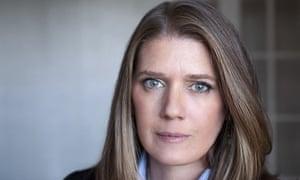
Mary Trump. Photograph: Peter Serling/Rex
My uncle’s speech late on election night wasn’t just entirely mendacious from beginning to end. It was also deeply dangerous. It’s one thing for random Republicans to call a legitimate election into question, but this was the head of the government. The consequences of that action should not be underestimated.
This is what Donald’s going to do: he’s not going to concede, although who cares. What’s worse is he’s not going to engage in the normal activities that guarantee a peaceful transition. All he’s got now is breaking stuff, and he’s going to do that with a vengeance. I’ve always known how cruel he can be. Shortly after the 2016 election, when I’d see him being particularly cruel, I would think about how he treated my father [Fred Trump Jr, Donald’s older brother, who died of alcoholism at 43]. He took away our family health insurance after his father, my grandfather, died – this was when my nephew needed round-the-clock nursing care, which we then couldn’t afford. That is the kind of man he is.
He’ll be having meltdowns upon meltdowns right now. He has never been in a situation like this before. What’s interesting is that Donald has never won anything legitimately in his entire life, but because he has been so enabled by people along the way, he has never lost anything either. He’s the kind of person who thinks that even if you steal and cheat to win, you deserve to win.
But there is some poetic justice here because he has been cheating for months. Now his tactics are coming back to bite him. He told Republicans not to vote by mail and they didn’t, but the result is he has been experiencing this slow drip-drip of disaster over the past few days. Oh, you have these huge margins! Now your margins are shrinking. Oh, Joe Biden’s ahead. Now his margins are growing. It must have been like slow torture, but he set up this failure for himself.
The fact that the Republicans have done better than expected in Congress and the Senate will have made him extraordinarily angry. It means that people were voting against Donald Trump in this election, but not necessarily against this party. That will have added so much salt to his narcissistic wounds.
Play Video
4:42
The path to Joe Biden’s victory: five days in five minutes - video highlights
I worry about what Donald’s going to do in that time to lash out. He will go as far as he can to delegitimise the new administration, then he’ll pass pardons that will demoralise us, and sign a flurry of executive orders. Remember, he will also still be in charge of the US response to the pandemic. There could be a million Americans dead by then under his watch.
After January, things look bleak for Donald. He has more than $400m of debt coming in the next four years. Why at this point would his lenders cut him any slack? He has never paid anyone back. His businesses are in the tank. He has destroyed his brand.
He is going to be a factor in courtrooms in New York City more than he’s going to be a factor in politics, I think. His secretary of defence has already submitted his resignation, and I think there will be more of that. The Republicans might need him for the January run-offs in Georgia, but he could be considered a liability. If he’s acting like a crazy person, senators are going to keep their distance. People will move away from him if there’s nothing in it for them any more.
It’s not like he has any friends, anyway. It’s grim for him. Donald Jr, Ivanka and Eric also know their relationship with their father is both conditional and transactional. I have been saying since 2016 that I was going to have to change my name. I think they’re going to have to change theirs.
As for saying he’ll run in 2024, that’s just a face-saving exercise. It’s a way of distracting him from the fact that he’s probably going to prison. But the worst thing Donald’s looking at isn’t financial difficulties or the prospect of jail. It’s becoming irrelevant. I don’t think he would ever recover from that.
Mary Trump is a psychologist and author of Too Much and Never Enough