dinsdag 9 juni 2020

Yes, American police act like occupying armies. They literally studied their tactics


Yes, American police act like occupying armies. They literally studied their tactics

The founders of modern policing quelled foreign uprisings. ‘Demilitarizing’ police will be harder than taking away their tanks


‘Our law enforcement agencies learned many of the most routine aspects of policing from US excursions abroad for the purpose of stamping out rebellion.’ ‘Our law enforcement agencies learned many of the most routine aspects of policing from US excursions abroad for the purpose of stamping out rebellion.’ Photograph: Ricardo Arduengo/AFP/Getty Images

F
or the past week, our social media and television screens have been dominated by images of police officers in head-to-toe body armor wielding batons, pepper-ball guns, riot shields, and teargas against mostly peaceful protesters. Many Americans are now more certain than ever that we need to “demilitarize” our police.

In fact, we’ve gotten slightly closer. The aggressive response – and in many cases, over-response – of American law enforcement agencies has invigorated a bipartisan push in Congress to ban transfers of military materials to police. Yet the 20th-century history of US policing shows that truly demilitarizing the police will be more difficult than simply removing the body armor. Our law enforcement agencies learned many of the most routine aspects of contemporary policing from US imperial excursions abroad for the purpose of stamping out rebellion.
Created in the 1990s, the so-called “1033 program” allows police departments to obtain surplus material from the vast stocks of the world’s largest military. Not all the material is what most would consider war-fighting hardware. Some of the inventory consists of exercise gear or even musical instruments. But the renewed clamor to “demilitarize” the police is usually directed at the helmets and body armor, rifles and armored vehicles that have been on abundant display since Minneapolis police killed George Floyd last week.
To be sure, police departments are more heavily armed than ever, in part because of post-9/11 fears of terrorism. But the transfer of military surplus gear long predates the War on Terror. It results from both demand on the part of police and oversupply in the military, particularly as wars wind down.
Every overseas war has reshaped policing in the United States, including by filling the ranks of police departments with veterans and pushing surplus materials into their hands. But many campaigns abroad have also entailed policing civilian populations, with US experts advising other governments while also learning lessons to repatriate in the process.
When the US started to occupy the Philippines at the end of the 19th century, its military forces were met by an anti-colonial guerrilla campaign. In response, army soldiers engaged in grueling search missions, hoping to ferret out insurgents, who were difficult to distinguish from innocent bystanders. The army also established a constabulary of native Filipinos to help pacify the US colony. Though nobody used the term at the time, this was counterinsurgency.
Many of this campaign’s veterans rose to prominence as police administrators in the US in the early 20th century, as documented by the sociologist Julian Go. These ex-soldiers applied the lessons of their Philippines search-and-destroy missions to the US: mobile patrols, horses, bicycles and then motorized vehicles. Field communications in unfamiliar terrain informed how police built their telecommunications networks. And the type of rigorous training, including in marksmanship, that defined soldiering would be adopted by police too. The era’s most famous police leader, August Vollmer, got his start in the infantry in the Philippines and constantly referred to that experience as he reshaped the profession.
Later, after the second world war, the American forces occupied Germany and Japan for several years. While regular police at home received notice from the FBI that they could now obtain surplus machine guns and leg irons from the War Assets Administration, US police trendsetters like Vollmer, his protege Orlando W Wilson, and future Los Angeles police chief William Parker were working to “democratize” the German police, while also making sure to keep tabs on communists. Similarly, in Japan, a young policeman from Kansas City named Byron Engle helped to reorganize the police there, introducing US-style uniforms, handcuffs and teargas.
Upon return to domestic soil, after administering martial law in Germany, Orlando Wilson published the most widely read police textbook, which remained in use for decades. For him, rigid adherence to authority was essential. He even referred to it as a semi-military ethos. Line officers were supposed to submit to command authority, and civilians, therefore, to line officers. Wilson was, in some ways, a reformer. But he was uninterested in reforming the racialized despotism of the police encounter itself, where questioning authority could mean arrest, beating or death.
Byron Engle went on to distribute Wilson’s ideas globally, including during a stint with the CIA. For him, policing and counterinsurgency were synonymous. Engle directed the US Office of Public Safety, which operated in 52 countries in Africa, Asia and Latin America, where it delivered guns, vehicles, tear gas, radios and fingerprinting technology. It also trained officers from 77 countries in its Washington DC academy. Engle’s creed was simple: use cops to prevent communist revolution.
In some cases, these police would commit torture, forced disappearances and massacres. The largest US police assistance mission coincided with the war in Vietnam. When Engle’s operation closed down, many of his subordinates came home to become police chiefs, prison wardens, Washington law-enforcement bureaucrats, private security contractors or criminology professors. One later remarked that his experience in Vietnam remained front and center in his mind while a chief because it was “far more fascinating than any work of fiction”.
Although the gear has changed, American police have always directed their attention toward suppressing political rebellion. Distant lands, colonial occupations and theaters of war have served as crucibles for testing and advancing policing techniques. Demilitarizing police is absolutely necessary – but it will require more than just ending one surplus equipment program.

woensdag 3 juni 2020

How were medical journals and WHO caught out over hydroxychloroquine?


How were medical journals and WHO caught out over hydroxychloroquine?

Studies under microscope after Guardian investigation reveals flaws with data from US company Surgisphere
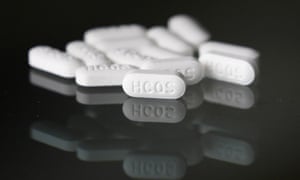
FILE - This Monday, April 6, 2020 file photo shows an arrangement of hydroxychloroquine pills in Las Vegas. On Tuesday, June 2, 2020, concerns are mounting about studies in two influential medical journals on drugs used in people with coronavirus, including one that led multiple countries to stop testing a malaria pill. (AP Photo/John Locher,File) The effectiveness of hydroxychloroquine as a treatment for Covid-19 has yet to be determined. Photograph: John Locher/AP
Some scientific papers stop the world in its tracks. In the middle of a raging pandemic, a study in the world’s leading global health journal that seemed to prove President Trump wrong to laud the drug hydroxychloroquine for Covid-19 was always going to have a massive impact. It did. When the paper flagged a higher risk of death on the drug, trials were stopped all over the world, including one by the World Health Organization.
Now it’s in danger of unravelling.
The data on more than 96,000 patients from 671 hospitals worldwide is under the microscope. Errors have already been confirmed. A Guardian investigation has revealed major issues with the small US company Surgisphere that owned the database. Two major journals – the Lancet, which published the hydroxychloroquine paper, and the New England Journal of Medicine, which ran an earlier paper from the same authors with data from Surgisphere acquitting blood pressure drugs of any adverse effect in Covid-19 – have issued an Expression of Concern. That’s a formal statement that something is not right, but short of a retraction. Depending on what the audit says, a retraction may follow.
This is difficult territory for the journals, who will doubtless be criticised if it turns out the published material was seriously flawed.
But it’s easy to see why they would consider this an important paper to publish. In the middle of a pandemic, with answers to potential treatments desperately needed, a US president is inciting people to take drugs that could potentially be dangerous and are suddenly in short supply, even for people who need them for another condition – lupus. Countries are scrabbling to buy up stocks in hope of saving lives.
Meanwhile, dozens of papers on hydroxychloroquine and its older version, chloroquine, are being published online in what is called pre-print form, which means without the peer review that major journals habitually carry out.
Peer-review is seen as a safeguard against error and fraud. Journals send out draft studies to a number of experts in the particular field – perhaps three or four leading experts who will mull over the contents, methods and plausibility of the findings, make criticisms and give the thumbs-up or down to publication, which the editor does not have to accept.
The study by Prof Mandeep Mehra of Harvard and the Brigham and Women’s hospital in the US on hydroxychloroquine and the original anti-malarial chloroquine went through a form of peer-review that was more rapid than usual because of the pandemic.
Nobody appears to have spotted the error that the Lancet has since corrected concerning the numbers of patients in Australia – who turned out to be in Asia. That may be because they were overworked and rushing, as scientists now are, but it may also be because they didn’t see the database.
But that is normal. The database belongs to Surgisphere. The company’s role in the study was to provide the data from the hospitals on how patients fared on the drugs or without the drugs. That was why Sapan Desai, CEO of Surgisphere, was second author. The authors of a paper are responsible for the accuracy of the data they use. Where they have obtained it from a company, they would normally make some spot checks to be certain that what they have been given to analyse is reliable.
Prof Mehra and the other co-authors who are not part of Surgisphere, dismayed by the criticism, have urgently set up an independent review of the data – how and where it was collected as well as its accuracy – from an external audit company in Bethesda. Their report is expected by the end of the week. Mehra said he never expected his observational study to be the last word on these drugs and stressed that they used the data they could lay their hands on because the matter was urgent.
“I have routinely underscored the importance and value of randomized, clinical trials and articulated that such trials will be necessary before any conclusions can be reached,” he said in a statement.

“Until findings from such studies are available, given the urgency of the situation, using the available dataset was an intermediary step. I eagerly await word from the independent audits, the results of which will inform any further action.”
There are lessons here. One is that peer-review is a flawed process, as scientists will all tell you. It is a safety net, but it depends on many things, including the time reviewers have to spend on a study. And they see the draft paper, not the data it is based on. So it is hardly surprising that it was not the selected experts who spotted mistakes, but scientists from around the world who realised the numbers of patients in some of the hospitals could not be right.
But most importantly, observational studies have serious weaknesses and should never deliver the final verdict on drug treatments. This was a very big observational study, which could show trends, but there is always a danger it was not comparing like with like. The patients given hydroxychloroquine in India may not have been treated in the same way as those given it in France. The gold standard is the randomised controlled trial, set up purposefully to answer the question. The Recovery trial, with more than 11,000 patients enrolled in every acute hospital in the UK, is the biggest such trial in the world. It is testing seven treatments including hydroxychloroquine. By July, we should have a genuine answer – not one that merely muddies the waters.

Concerns regarding the statistical analysis and data integrity

[Open Letter about] Concerns regarding the statistical analysis and data integrity.


Open letter to MR Mehra, SS Desai, F Ruschitzka, and AN Patel, authors of “Hydroxychloroquine or chloroquine with or without a macrolide for treatment of COVID19: a multinational registry analysis”. Lancet. 2020 May 22:S0140-6736(20)31180-6. doi: 10.1016/S0140-6736(20)31180-6. PMID: 32450107 and to Richard Horton (editor of The Lancet). Concerns regarding the statistical analysis and data integrity 

The retrospective, observational study of 96,032 hospitalized COVID-19 patients from six continents reported substantially increased mortality (~30% excess deaths) and occurrence of cardiac arrhythmias associated with the use of the 4-aminoquinoline drugs hydroxychloroquine and chloroquine. 

These results have had a considerable impact on public health practice and research. The WHO has paused recruitment to the hydroxychloroquine arm in their SOLIDARITY trial. The UK regulatory body, MHRA, requested the temporary pausing of recruitment into all hydroxychloroquine trials in the UK (treatment and prevention), and France has changed its national recommendation for the use of hydroxychloroquine in COVID-19 treatment and also halted trials. 

The subsequent media headlines have caused considerable concern to participants and patients enrolled in randomized controlled trials (RCTs) seeking to characterize the potential benefits and risks of these drugs in the treatment and prevention of COVID-19 infections. There is uniform agreement that well conducted RCTs are needed to inform policies and practices. This impact has led many researchers around the world to scrutinize in detail the publication in question. 

This scrutiny has raised both methodological and data integrity concerns. The main concerns are listed as follows: 

1. There was inadequate adjustment for known and measured confounders (disease severity, temporal effects, site effects, dose used). 

2. The authors have not adhered to standard practices in the machine learning and statistics community. They have not released their code or data. There is no data/code sharing and availability statement in the paper. The Lancet was among the many signatories on the Wellcome statement on data sharing for COVID-19 studies. 

3. There was no ethics review. 

4. There was no mention of the countries or hospitals that contributed to the data source and no acknowledgments of their contributions. A request to the authors for information on the contributing centres was denied. 

5. Data from Australia are not compatible with government reports (too many cases for just five hospitals, more in-hospital deaths than had occurred in the entire country during the study period). Surgisphere (the data company) have since stated this was an error of classification of one hospital from Asia. This indicates the need for further error checking throughout the database. 

6. Data from Africa indicate that nearly 25% of all COVID-19 cases and 40% of all deaths in the continent occurred in Surgisphere-associated hospitals which had sophisticated electronic patient data recording, and patient monitoring able to detect and record “nonsustained [at least 6 secs] or sustained ventricular tachycardia or ventricular fibrillation”. Both the numbers of cases and deaths, and the details provided, seem unlikely. 

7. Unusually small reported variation in baseline variables, interventions and outcomes between continents (Table S3). 

8. Mean daily doses of hydroxychloroquine that are 100 mg higher than FDA recommendations, whereas 66% of the data are from North American hospitals. 

9. Implausible ratios of chloroquine to hydroxychloroquine use in some continents. For example, in Australia 49 received chloroquine and 50 received hydroxychloroquine. However, chloroquine is not readily available in Australia and administration requires authorization from the Therapeutic Goods Administration. 

10. The tight 95% confidence intervals reported for the hazard ratios appear inconsistent with the data. For instance, for the Australian data this would imply about double the numbers of recorded deaths as were reported in the paper. 

The patient data were obtained through electronic health records, supply chain databases, and financial records. The data are held by the US company Surgisphere. In response to a request for the data Professor Mehra replied: “Our data sharing agreements with the various governments, countries and hospitals do not allow us to share data unfortunately.” 

Given the enormous importance and influence of these results, we believe it is imperative that: 

1. The company Surgisphere provides details on data provenance. At the very minimum, this means sharing the aggregated patient data at the hospital level (for all covariates and outcomes) 

2. Independent validation of the analysis is performed by a group convened by the World Health Organization, or at least one other independent and respected institution. This would entail additional analyses (e.g. determining if there is a dose-effect) to assess the validity of the conclusions 

3. There is open access to all the data sharing agreements cited above to ensure that, in each jurisdiction, any mined data was legally and ethically collected and patient privacy aspects respected In the interests of transparency, we also ask The Lancet to make openly available the peer review comments that led to this manuscript being accepted for publication. 

This open letter is signed by clinicians, medical researchers, statisticians, and ethicists from across the world. The full list of signatories and affiliations can be found below. 

List of Signatories : Dr James Watson (Statistician, Mahidol Oxford Tropical Medicine Research Unit, Thailand)1 Professor Amanda Adler (Triallist & Clinician, Director of the Diabetes Trials Unit, University of Oxford, UK) Dr Ambrose Agweyu (Medical researcher, KEMRI-Wellcome Trust Research Programme, Kenya) Professor Dani Prieto-Alhambra (Epidemiologist, University of Oxford, UK) Dr Ravi Amaravadi (Researcher, University of Pennsylvania, USA) Professor Juan-Manuel Anaya (Clinician, Universidad del Rosario, Colombia) Professor Nicholas Anstey (Clinician, Menzies School of Health Research, Australia) Professor Yaseen Arabi (Clinician and researcher, King Saud Bin Abdulaziz University for Health Sciences, Saudi Arabia) Dr Elizabeth Ashley (Clinician, Director of the Lao-Oxford-Mahosot Hospital-Wellcome Trust Research Unit, Laos) Professor Michael Avidan (Clinician, Washington University in St Louis, USA) Professor Kevin Baird (Researcher, Head of the Eijkman-Oxford Clinical Research Unit, Indonesia) Professor Francois Balloux (Researcher, Director of the UCL Genetics Institute, UK) Dr Clifford George Banda (Clinician, University of Cape Town, South Africa) Dr Edwine Barasa (Health economist, KEMRI-Wellcome Trust Research Programme, Kenya) Dr Ruanne Barnabas (Physician Scientist, University of Washington, USA) Professor Karen Barnes (Clinical Pharmacology, University of Cape Town, South Africa) Professor Enrico Bucci (Systems Biologist, Temple University, USA) Professor Buddha Basnyat (Clinician, Head of the Oxford University Clinical Research Unit - Nepal, Nepal) Professor Philip Bejon (Medical researcher, Director of the KEMRI-Wellcome Trust Research Programme, Kenya) Professor Mohammad Asim Beg (Clinician/Researcher, Aga Khan University, Pakistan) Prof. Linda-Gail Bekker (Clinician, University of Cape Town, South Africa) Professor Leïla Belkhir (Clinician, Université Catholique de Louvain, Belgium) Mr Mostapha Benhenda (Data scientist, Melwy and COVIND Covid-19 Individual Patient Data Consortium, France) Professor Marc Bonten (Clinician/Researcher, University Medical Center Utrecht, The Netherlands) Professor Bjug Borgundvaag (Clinician, Director of the Schwartz/Reisman Emergency Medicine Institute, Canada) Professor Emmanuel Bottieau (Clinician, Institute of Tropical Medicine, Antwerp, Belgium) Professor David Boulware (Researcher & Triallist, University of Minnesota, USA) Professor Anders Björkman (Clinician, Karolinska Insitutet, Sweden) Dr Sabine Braat (Statistician, University of Melbourne, Australia) Professor Frank Brunkhorst (Clinician & Director of the Center of Clinical Studies, Jena University Hospital, Germany) Professor James Brophy (Clinician/Epidemiologist, McGill University, Canada) Professor Caroline Buckee (Epidemiologist, Harvard TH Chan School of Public Health, USA) Dr James Callery (Clinician, Mahidol Oxford Tropical Medicine Research Unit, Thailand) Dr Todd Campbell Lee (Researcher, McGill University, Canada) Professor Adrienne Chan, MD MPH FRCPC (Researcher, University of Toronto, Canada) Professor John Carlin (Statistician, University of Melbourne & Murdoch Children’s Research Institute, Australia) Dr Nomathemba Chandiwana (Research Clinician, University of the Witwatersrand, South Africa) Dr Arjun Chandna (Clinician, Cambodia Oxford Medical Research Unit, Cambodia) Professor Phaik Yeong Cheah (Ethicist/Pharmacist, Mahidol Oxford Tropical Medicine Research Unit, Thailand) Professor Allen Cheng (Clinician, Monash University, Australia) Professor Ivy Cheng (Clinician/Researcher, University of Toronto, Canada) Professor Kesinee Chotivanich (Researcher, Mahidol University, Thailand) Professor Leonid Churilov (Statistician, University of Melbourne, Australia) Professor Ben Cooper (Epidemiologist, University of Oxford, UK) Dr Cintia Cruz (Paediatrician Mahidol Oxford Tropical Medicine Research Unit, Thailand) Professor Bart Currie (Director, HOT NORTH, Menzies School of Health Research, Australia) Professor Joshua Davis (Clinician, President of the Australasian Society for Infectious Diseases, Australia) Professor Jeremy Day (Clinician, Oxford University Clinical Research Unit, Vietnam) Professor Nicholas Day (Clinician, Director of the Mahidol Oxford Tropical Medicine Research Unit, Thailand) Dr Hakim-Moulay Dehbi (Statistician, University College London, UK) Professor Justin Denholm (Clinician, Researcher, Ethicist, Doherty Institute, Australia) Dr Lennie Derde (Intensivist/Researcher, University Medical Center Utrecht, The Netherlands) Professor Keertan Dheda (Clinician/Researcher, University of Cape Town, & Groote Schuur Hospital, South Africa) Dr Mehul Dhorda (Clinical Researcher, Mahidol Oxford Tropical Medicine Research Unit, Thailand) Professor Annane Djillali (Dean of the School of Medicine, Simone Veil Université, France) Professor Arjen Dondorp (Clinician, Mahidol Oxford Tropical Medicine Research Unit, Thailand) Dr Joseph Doyle (Clinician, Monash University and Burnet Institute, Australia) Professor Emeritus Jean Dupouy-Camet (Former president of the European Federation of Parasitologists, Paris University, France) Dr Anthony Etyang (Medical Researcher, KEMRI-Wellcome Trust Research Programme, Kenya) Dr Caterina Fanello (Epidemiologist, University of Oxford, UK) Professor Neil Ferguson (Epidemiologist, Imperial College London, UK) Dr Ricard Ferrer (Head of Department of Intensive Care, Hospital Universitari Vall d’Hebron, Spain) Professor Andrew Forbes (Statistician, Monash University, Melbourne, Australia) Professor Oumar Gaye (Clinical Researcher, University Cheikh Anta Diop, Senegal) Dr Ronald Geskus (Head of Statistics at the Oxford University Clinical Research Unit, Vietnam) 1 For correspondence: james@tropmedres.ac Dr Mellie Gilder (Clinician/Researcher, Chiang Mai University, Thailand) Professor Emeritus Richard Gill (Mathematician/Statistician, Former President of Dutch Statistical Society, The Netherlands) Professor Dave Glidden (Biostatistics, University of California, USA) Professor Azra Ghani (Epidemiologist, Imperial College London, UK) Prof Philippe Guerin (Medical researcher, University of Oxford, UK) Dr. Raph Hamers (Clinician/Triallist, Eijkman-Oxford Clinical Research Unit, Indonesia) Dr Rashan Haniffa (Clinician/Researcher, NICST, Sri Lanka) Professor Stephane Heritier (Statistician, Monash University, Australia) Dr Thomas Hiemstra (Triallist, University of Cambridge, UK) Dr. Risa Hoffman (Clinician/Clinical Researcher, University of California, USA) Professor Peter Horby (Clinical Researcher, Centre for Tropical Medicine and Global Health, University of Oxford) Dr Sybil Hosek (Clinical Researcher, Cook County Health, USA) Dr Jens-Ulrik Jensen (Clinician/Triallist, University of Copenhagen, Denmark) Dr Hilary Johnstone (Clinical Research Physician, Independent) Professor Christine Johnston (Clinical Researcher, University of Washington School of Medicine, USA) Professor Peter Jüni (Director of the Applied Health Research Centre, University of Toronto, Canada) Professor Kevin Kain (Clinical Researcher, University of Toronto, Canada) Dr Sharon Kaur (Ethicist, University of Malaya, Malaysia) Dr Evelyne Kestelyn (Head of Clinical Trials, Oxford University Clinical Research Unit, Vietnam) Dr Patricia Kissinger (Clinical Researcher, Tulane University, USA) Professor Megan Landes (Clinician/Researcher, University of Toronto, Canada) Dr Tan Le Van (Medical Researcher, Oxford University Clinical Research Unit, Vietnam) Professor Katherine Lee (Statistician, University of Melbourne, Australia) Professor Laurence Lovat (Clinical Director of Wellcome EPSRC Centre for Interventional & Surgical Sciences, UCL, UK) Dr Nsobya Samuel Lubwama (Researcher, Makerere University College of Health Sciences, Uganda) Professor Kathryn Maitland (Clinician, Imperial College London/KEMRI Wellcome Trust Programme, Kenya) Dr Julie Marsh (Statistician, Telethon Kids Institute, Australia) Professor John Marshall (Clinician/Researcher, University of Toronto, Canada) Professor Gary Maartens (Clinician, University of Cape Town, South Africa) DR Ignacio Martin-Loeches (Clinician, Trinity College Dublin, Ireland) Professor Richard Maude (Clinician/Epidemiologist, Mahidol Oxford Tropical Medicine Research Unit, Thailand) Professor Mayfong Mayxay (Clinician/Researcher, Lao-Oxford-Mahosot Hospital-Wellcome Trust Research Unit, Laos) Dr Colin McArthur (Clinician/Triallist, Auckland City Hospital and Monash University) Dr Emily McDonald (Clinician/Researcher, McGill University Health Center, Canada) Professor Rose McGready (Clinician/Researcher, Shoklo Malaria Research Unit, Thailand) Dr Alistair McLean (Medical researcher, University of Oxford, UK) Professor Shelley McLeod (Clinical Epidemiologist, University of Toronto, Canada) Dr John McKinnon (Clinician/Researcher, Henry Ford Health System, USA) Dr Bryan McVerry (Medical researcher, University of Pittsburgh, USA) Laura Merson (Clinical researcher, University of Oxford, UK) Professor Clara Menendez (Clinical Researcher, Barcelona University, Spain) Professor William Meurer (Clinician/Medical researcher, University of Michigan, USA) Professor Ramani Moonesinghe (Clinician researcher, University College London, UK) Dr Kerryn Moore (Epidemiologist, London School of Hygiene and Tropical Medicine, UK) Dr Rephaim Mpofu (Clinician, University of Cape Town, South Africa) Dr Mavuto Mukaka (Statistician, Mahidol Oxford Tropical Medicine Research Unit, Thailand) Dr Srinivas Murthy (Clinical Researcher, University of British Columbia, Canada) Professor Kim Mulholland (Clinician, London School of Hygiene & Tropical Medicine, UK) Professor Daniel Neafsey (Researcher, Harvard T.H. Chan School of Public Health, USA) Professor Paul Newton (Clinician, University Oxford, UK) Professor Alistair Nichol (Clinician Researcher, University College Dublin, Ireland, & Monash University, Australia) Professor Francois Nosten (Clinician, Director of the Shoklo Malaria Research Unit, Thailand) Dr Matthew O’Sullivan (Clinician, Westmead Hospital & University of Sydney, Australia) Professor Piero Olliaro (Clinical Researcher, University of Oxford, UK) Dr William O’Neill (Clinician/Researcher, Henry Ford Health System, USA) Professor Marie Onyamboko (Clinical researcher, Kinshasa School of Public Health, DRC) Dr Marcin Osuchowski (Medical researcher, Ludwig Boltzmann Institute, Austria) Professor Catherine Orrell (Clinical Pharmacologist, University of Cape Town, South Africa) Professor Jean Bosco Ouedraogo (Medical Researcher, WWARN, Burkina Faso) Dr Temitope Oyedele (Clinician, Cook County Health, USA) Dr Michael Paasche-Orlow (Clinical Researcher, Boston University, USA Elaine Pascoe (Statistician, University of Queensland, Australia) Professor Michael Parker (Director of The Wellcome Centre for Ethics and Humanities, The Ethox Centre, University of Oxford, UK) Professor David Paterson (Clinician, Director, UQ Centre for Clinical Research, Australia) Dr Kajaal Patel (Paediatrician, Cambodia Oxford Medical Research Unit, Cambodia) Tom Parke (Statistician, Berry Consultants, UK) Professor Philippe Parola (Researcher, Aix-Marseille University, France) Professor Weerapong Phumratanaprapin (Deputy Dean of the Faculty of Tropical Medicine, Mahidol University, Thailand) Professor Pedro Politi (Oncologist, University of Buenos Aires, Argentina) Professor William Powderly (Director, Institute of Clinical and Translational Research, Washington University in St. Louis, USA) Dr Christophe Pouzat (Mathematician, CNRS, France) Dr David Price (Statistician, Doherty Institute & University of Melbourne, Australia) Professor Richard Price (Clinician, Menzies School of Health Research, Australia) Professor Sasithon Pukrittayakamee (Clinician, Mahidol University, Thailand) Dr Aung Pyae Phyo (Clinician/Scientist, Myanmar Oxford Clinical Research Unit, Myanmar) Dr Ben Saville (Statistician, Berry Consultants & Vanderbilt University) Professor Jason Roberts (Pharmacist/Clinician, The University of Queensland, Australia) Professor Frank Rockhold (Biostatistics/Bioinformatics, Duke University, USA) Professor Stephen Rogerson (Clinician, University of Melbourne, Australia) Professor Philip Rosenthal (Clinician, University of California, USA) Professor Kathy Rowan (Researcher, Director of the ICNARC Clinical Trials Unit, UK) Professor Ignacio Rubio (Researcher, University Hospital Jena, Germany) Professor Fiona Russell (Paediatrician, The University of Melbourne, Australia) Dr Sam Saidi (Clinician, University of Sydney, Australia) Dr Makoto Saito (Clinician/Epidemiologist, University of Tokyo, Japan) Dr William Schilling (Clinician, Mahidol Oxford Tropical Medicine Research Unit, Thailand) Dr Anuraj Shankar (Clinician/Triallist, Eijkman-Oxford Clinical Research Unit, Indonesia) Professor Sanjib Kumar Sharma (Clinician, Koirala Institute of Health Sciences, Nepal) Professor André Scherag (Statistician, Jena University Hospital, Germany) Professor Ilan Schwartz (Clinician/Researcher, University of Alberta, Canada) Professor Julie Simpson (Statistician, University of Melbourne, Australia) Dr Andre Siqueira (Medical researcher, Fundação Oswaldo Cruz, Brazil) Professor Frank Smithuis (Clinical researcher, Director of the Myanmar Oxford Tropical Research Unit, Myanmar) Dr Tim Spelman (Statistician, Karolinska Institute, Sweden) Dr Kasia Stepniewska (Statistician, University of Oxford, UK) Dr Nathalie Strub Wourgaft (Clinician, Drugs for Neglected Diseases initiative, Switzerland) Professor Darrell Tan (Clinician-Scientist, University of Toronto, Canada) Professor Christoph Thiemermann (Head of Centre for Translational Medicine & Therapeutics, Queen Mary University, UK) Dr Aimee Taylor (Statistician, Harvard T.H. Chan School of Public Health, USA) Dr Walter Taylor (Clinician, Mahidol Oxford Tropical Medicine Research Unit, Thailand) Professor Antoni Torres (Clinician, University of Barcelona, Spain) Professor Guy Thwaites (Clinician, Director of the Oxford University Clinical Research Unit, Vietnam) Professor Tran Tinh Hien (Clinician, Oxford Clinical Research Unit, Vietnam) Professor George Tomlinson (Biostatistician, Mt Sinai Hospital, Canada) Professor Steven Tong (Clinician, University of Melbourne, Australia) Professor Paul Turner (Clinician/Researcher, Director of Cambodia Oxford Medical Research Unit, Cambodia) Professor Ross Upshur (Head of Division of Clinical Public Health, University of Toronto, Canada) Professor Rogier van Doorn (Clinical Microbiologist, University of Oxford, UK) Professor Lorenz von Seidlein (Clinician, Mahidol Oxford Tropical Medicine Research Unit, Thailand) Dr Dee Dee Wang (Clinician/Researcher, Henry Ford Health System, USA) Professor Sir Nicholas White (Clinician, Mahidol Oxford Tropical Medicine Research Unit, Thailand) Professor Thomas Williams (Clinician, KEMRI-Wellcome Trust Research Programme, Kenya) Dr Martin Sebastian Winkler (Clinician, University Medical Center Gottingen, Germany) Professor Chris Woods (Researcher, Duke University, USA) Dr Charlie Woodrow (Clinician, Oxford University Hospitals NHS Trust, UK) Dr Sophie Yacoub (Clinician, Oxford University Clinical Research Unit, Vietnam) Professor Marcus Zervos (Researcher, Henry Ford Health System, USA)
Disputed Hydroxychloroquine Study Brings Scrutiny to Surgisphere


Labguru - The Scientist - Digital Science

Disputed Hydroxychloroquine Study Brings Scrutiny to Surgisphere

Disputed Hydroxychloroquine Study Brings Scrutiny to Surgisphere


Scientists have raised questions about the dataset published in The Lancet last week that triggered the suspension of clinical trials around the world—and about Surgisphere Corporation, the company behind the study.

Catherine Offord
Catherine Offord
May 30, 2020


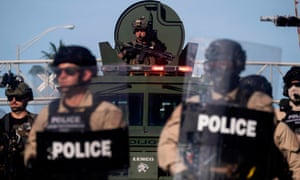
ABOVE: 875 N Michigan Avenue, Chicago—the address on Surgisphere Corporation’s website
© ISTOCK.COM,
 REDUNNLEV

© 


S
urgisphere Corporation, the company that supplied data for a controversial study on the health risks of hydroxychloroquine for COVID-19 patients published in The Lancet last week (May 22), has found itself in the spotlight after researchers raised questions about the dataset. 

The Lancet study, which lists Surgisphere founder and CEO Sapan Desai as one of four coauthors, reported harmful effects tied to the anti-malaria drug hydroxychloroquine among patients with COVID-19. In response to the findings, the World Health Organization (WHO) and several other health organizations stopped or suspended clinical trials of the drug while they look more closely into the compound’s safety.  

See “WHO Halts Hydroxychloroquine Testing After Safety Concerns

The database used for the Lancet study, which the paper states includes 96,032 patients from 671 hospitals across six continents, is accessible only by Surgisphere. But in the week since the paper’s publication, concerns about that dataset have swirled on social media, on the post-publication discussion website PubPeer, and in newspapers.  

Initial concerns centered on the paper’s statistical analyses, as well as the fact that COVID-19 patient data were surprisingly homogeneous across continents, despite known differences in demographics and underlying health conditions in those populations. More-recent concerns have broadened to other aspects of the dataset. Desai has since acknowledged one error in an Australian cohort and yesterday published a brief correction. While he has said in an interview with The Scientist that he is looking into clearing up confusion around the study findings, Desai has continued to defend his work and the integrity of the Surgisphere data. 

But that response has not assuaged the concerns of the scientific community. On May 28, an open letter, which has now accrued more than 180 signatories at research institutions around the world, laid out multiple other problems with the study data and analyses. In addition, readers of the study are beginning to ask about the nature and history of Surgisphere, and how it managed to obtain such a complex dataset in a relatively short period of time. 

Sources of Surgisphere’s global COVID-19 data

In explaining the decision to suspend hydroxychloroquine testing, WHO chief scientist Soumya Swaminathan said that although the Lancet data weren’t from a randomized controlled trial, the gold standard in clinical research, they “came from multiple registries and quite a large number of patients, 96,000 patients,” NPR reported earlier this week.  

Concerns about the Lancet paper began appearing on blog posts and PubPeer soon after the study’s publication, however. Statisticians and medical scientists pointed to several peculiarities, including a lack of information about how observational data were adjusted during statistical analyses, and surprisingly high mortality rates in patients who received hydroxychloroquine—a drug that, while unproven as a treatment for COVID-19, has been in use in hospital settings for decades and had not shown such major negative effects in studies up until this point. 

The profile of Surgisphere has risen dramatically during the COVID-19 pandemic.
The proportion of COVID-19 patients in Africa who were included in the dataset was also “rather high,” one PubPeer commenter noted: while 15,738 COVID-19 cases had been reported across the continent by the African Centers for Disease Control and Prevention as of April 14, the study claimed to have data—including detailed electronic health records—for 4,402 hospitalized patients up to this same date.  

James Watson, a senior scientist at the Mahidol Oxford Tropical Medicine Research Unit in Thailand, says he has doubts that any research organization would have been able to obtain such detailed records for so many people in Africa so quickly. He outlined this and concerns about multiple other aspects of the study in the open letter, which includes 17 signatories based at institutions in Africa. 
Based on healthcare workers’ descriptions of medical record-keeping at many hospitals in Africa, “I just find it very hard to believe,” Watson tells The Scientist. His unit suspended a just-launched trial of hydroxychloroquine following guidance from UK regulators shortly after the Lancet study was published. 

Desai tells The Scientist that the high-quality hospital data in the publication result from Surgisphere working only with “top-tier institutions. . . . Naturally, this leads to the inclusion of institutions that have a tertiary care level of practice and provide quality health care that is relatively homogeneous around the world.” 

A signatory on the open letter to The LancetAnthony Etyang, a consultant physician and clinical epidemiologist with the KEMRI-Wellcome Trust Research Programme in Kenya, writes to The Scientist that he too has doubts about the numbers of African patients in the dataset, adding that even private hospitals on the continent with top care often have poor medical records. 

Study coauthors Mandeep Mehra, the medical director of the Brigham and Women’s Hospital Heart and Vascular Center, and Frank Ruschitzka of University Hospital Zurich did not respond to requests for comment. 

In another development on May 28, The Guardian reported that researchers and journalists had been unable to verify the source of the Australian data included in the study. Surgisphere’s dataset included 73 deaths in Australia as of April 21, even though Johns Hopkins University, which has been tracking COVID-19 cases and deaths since the start of the outbreak, had counted just 67 by that point, the Guardian reported. 

Desai explained the discrepancy to the Guardian by noting that a hospital in Asia had inadvertently been included in the Australian dataset. He has told media outlets that he cannot share the names of any of the hospitals involved in Surgisphere studies due to pre-arranged privacy deals with those hospitals, but adds in an interview with The Scientist that he’ll inquire if any hospitals are willing to voluntarily come forward to confirm their participation.  

On May 29, Jessica Kleyn, a press officer at The Lancet journals, informed The Scientist in an emailed statement that the authors had corrected the Australian data in their paper and redone one of the tables in the supplementary information with raw data rather than the adjusted data Desai said had been shown before.  

“The results and conclusions reported in the study remain unchanged,” Kleyn adds in the email. “The original full-text article will be updated on our website. The Lancet encourages scientific debate and will publish responses to the study, along with a response from the authors, in the journal in due course.” 

Andrew Gelman, a statistician at Columbia University who has blogged about the article and started the PubPeer discussion on it, writes in an email to The Scientist that the authors’ update “does not address many of the questions that have been raised about this study, but of course it is good for them to correct mistakes and omissions when they find them.” 

Watson writes in an email to The Scientist that the authors “have not addressed the other nine points referred to in the letter, and we do not understand why they cannot at least provide data aggregated by country rather than by continent.” He adds that the signatories on the letter would also like to know which countries in Africa the team is working worth.   

“By allowing the authors to post this correction and not address any of the other concerns,” Watson continues, “The Lancet appear to [be] stating that so far they are not worried about the reliability of the study.” 

Surgisphere and its founder

Surgisphere is currently headquartered in Palatine, Illinois, and run by Desai, who trained in vascular surgery, a subject on which he has published many scientific articles and books. Until February 10 of this year, Desai was employed by Northwest Community Hospital (NCH) in suburban Arlington Heights. He tells The Scientist that he resigned for family reasons.  

Court records in Cook County, Illinois, show that Desai is named in three medical malpractice lawsuits filed in the second half of 2019. He tells The Scientist in a statement sent through his public relations representative Michael Roth of Bliss Integrated that while he can’t comment on ongoing litigation, he “deems any lawsuit naming him to be unfounded.”  

He also sent a comment purporting to be from Alan Loren, the executive vice president and chief medical officer of NCH: “Dr. Desai was employed at NCH and resigned in February 2020. We did not have any problems with him while he was here.” 

Asked by The Scientist if he made this statement, Loren says, “What I can tell you is that he was employed here and he did resign. I can’t speak to whether or not there were any problems.” He adds that he spoke to Desai on May 28 and told him that “what I recall is that he resigned. I don’t remember the exact date. And that was it.” 

Desai is now focused on Surgisphere, which currently has 11 employees, he tells The Scientist. Surgisphere’s website states that, “When Dr. Sapan Desai founded Surgisphere Corporation, the mission was simple: to harness the power of data analytics and improve the lives of as many people as possible.” Desai tells The Scientist that his company has always been involved in data analytics.  

When Desai established the company in 2008 while a surgical resident at Duke University in Durham, North Carolina, Surgisphere Corporation’s most visible activity was marketing textbooks, produced by Surgisphere, to medical students.  
Sapan Desai says he can understand people’s concerns and that the burden of proof rests with Surgisphere.
Reviews of the company’s products on Amazon are polarized, and a handful of positive reviews that appeared to impersonate actual physicians were removed when those doctors complained to Amazon. Kimberli S. Cox, a breast surgical oncologist based in Arizona, tells The Scientist that she was one of several practicing physicians who in 2008 discovered five-star reviews next to names that were identical or very similar to their own, that they had not written. She and her colleagues successfully persuaded Amazon to take the reviews down.  

Desai denies that he knew about or was in any way involved in the posting of fake reviews for Surgisphere’s products. “If I wanted to review my own products, I could do it in my own name,” he says. Amazon did not return requests for comment before this story was published. 

When Desai moved to the University of Texas Health Science Center at Houston in 2012 as a fellow in vascular surgery, he registered Surgisphere Corporation in Texas. By that point, Surgisphere had started publishing the Journal of Surgical Radiology, a medical journal that, according to its website, “accrued over 50,000 subscribers spanning almost every country around the world” from 2010 to 2013.  

The website further notes that, “With almost one million page views per month, J Surg Rad earned a reputation as one of the first high quality peer-reviewed online medical journals. The Journal was indexed by most of the major medical indexes, and specific articles still appear in PubMed, EBSCO, and other sources.”  

“It was amazing how fast we were able to grow it,” Desai tells The Scientist. “We had quite the editorial board.” The last issue was published in January 2013. “Running a medical journal is a full-time job,” he says. “I ran out of time.”

Surgisphere’s research during the coronavirus pandemic

The profile of Surgisphere has risen dramatically during the COVID-19 pandemic. In addition to the recent Lancet study, Surgisphere provided data for a study published in the New England Journal of Medicine earlier this month. That study, which stated it was based on data from 169 hospitals in Asia, Europe, and North America, reported that cardiovascular disease was associated with increased risk of death among hospitalized COVID-19 patients.  

However, heart drugs known as ACE inhibitors and ARBs, which some other studies had hinted were associated with an increased risk of death in people hospitalized with COVID-19, were not associated with higher mortality in these patients, the study concluded. 
Currently, Surgisphere is providing data for another COVID-19 study with Lee Wallis, the head of emergency medicine for the Western Cape Government, the University of Cape Town, and Stellenbosch University. Like the study coauthors on the Lancet paper, Wallis and his collaborators helped design the study, but all of the raw data are kept by Surgisphere as proprietary information. 
Wallis tells The Scientist that he has seen aggregated rather than hospital-level data, but that he is satisfied by Desai’s detailed descriptions of the dataset, and that all the necessary ethical and data-ownership requirements have been met.

The company has publicized other projects, too. In early March, a story appeared on a medical device information site touting a COVID-19 diagnostic tool developed by Surgisphere that could identify patients “likely to have coronavirus infection” with “93.7% sensitivity and 99.9% specificity.” The story, which Desai says Surgisphere did not write, quotes Desai as saying: “This tool is the first effective weapon in the fight against this global pandemic.” 

Desai says that the story he’s quoted in “appears to misconstrue the resources we created,” directing The Scientist to descriptions of a “COVID Severity Scoring Tool” and a “COVID-19 Triage Decision Support Tool” on the company’s websiteThe Scientist could not obtain more information about exactly how the tools worked or how estimates of their specificity and sensitivity were calculated. 
As for The Lancet hydroxychloroquine study, Desai says he can understand people’s concerns and that the burden of proof rests with Surgisphere. “We want to prove this to the world,” he tells The Scientist. “One thing that we might be able to do is get what we’ve done audited. That will be external, third party, independent of who we are, and can help validate all of this.”